Blocmates analysts reviewed on-chain data across sectors to identify where automated agents have already displaced humans, where they are competing, and where human input remains essential.
What Has Shifted to Agents
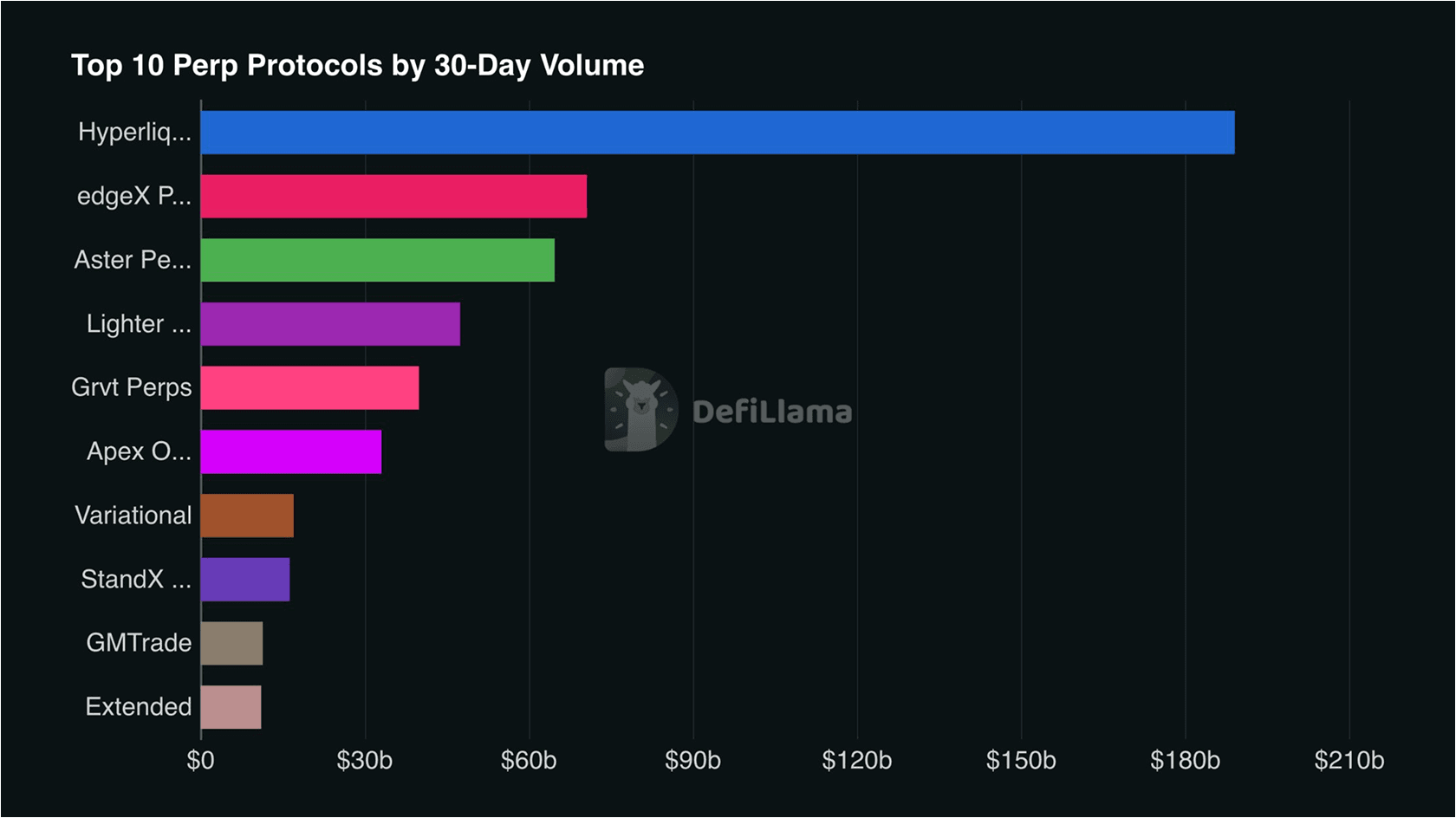
Perpetual futures are the clearest example. In Aster’s “humans vs AI” competition, 43% of human participants were liquidated, while all 30 agents completed the tournament without a single liquidation. Final returns: -32.22% for humans versus -4.48% for agents.
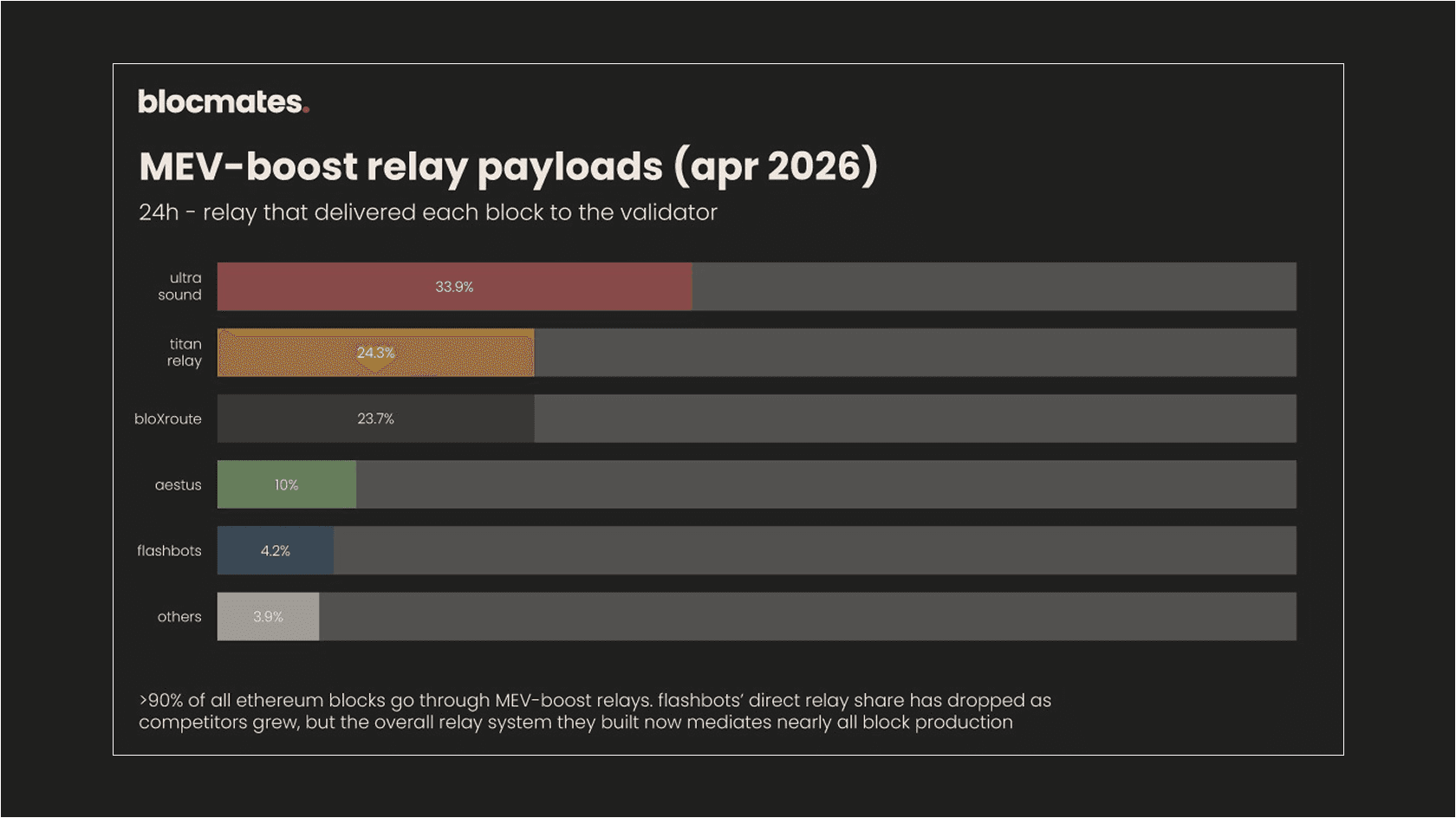
MEV extraction is now fully dominated by bots. In 2025, a single bot on Solana controlled 42% of all sandwich attack volume — over $1.6B in a single month.
Yield strategies have also shifted toward agents. 68% of new DeFi protocols launched in Q1 2026 included at least one autonomous agent, a 15% increase from a year earlier. ZyFAI recorded returns that were 73.42% higher compared to static strategies.
Where Competition Continues
Prediction markets are another telling example. Bots on Polymarket earn on average 9.4x more than humans, capturing short-term arbitrage thanks to faster execution. However, in longer-term markets that require adapting to changing conditions, humans still come out ahead — bots struggle with non-standard scenarios.
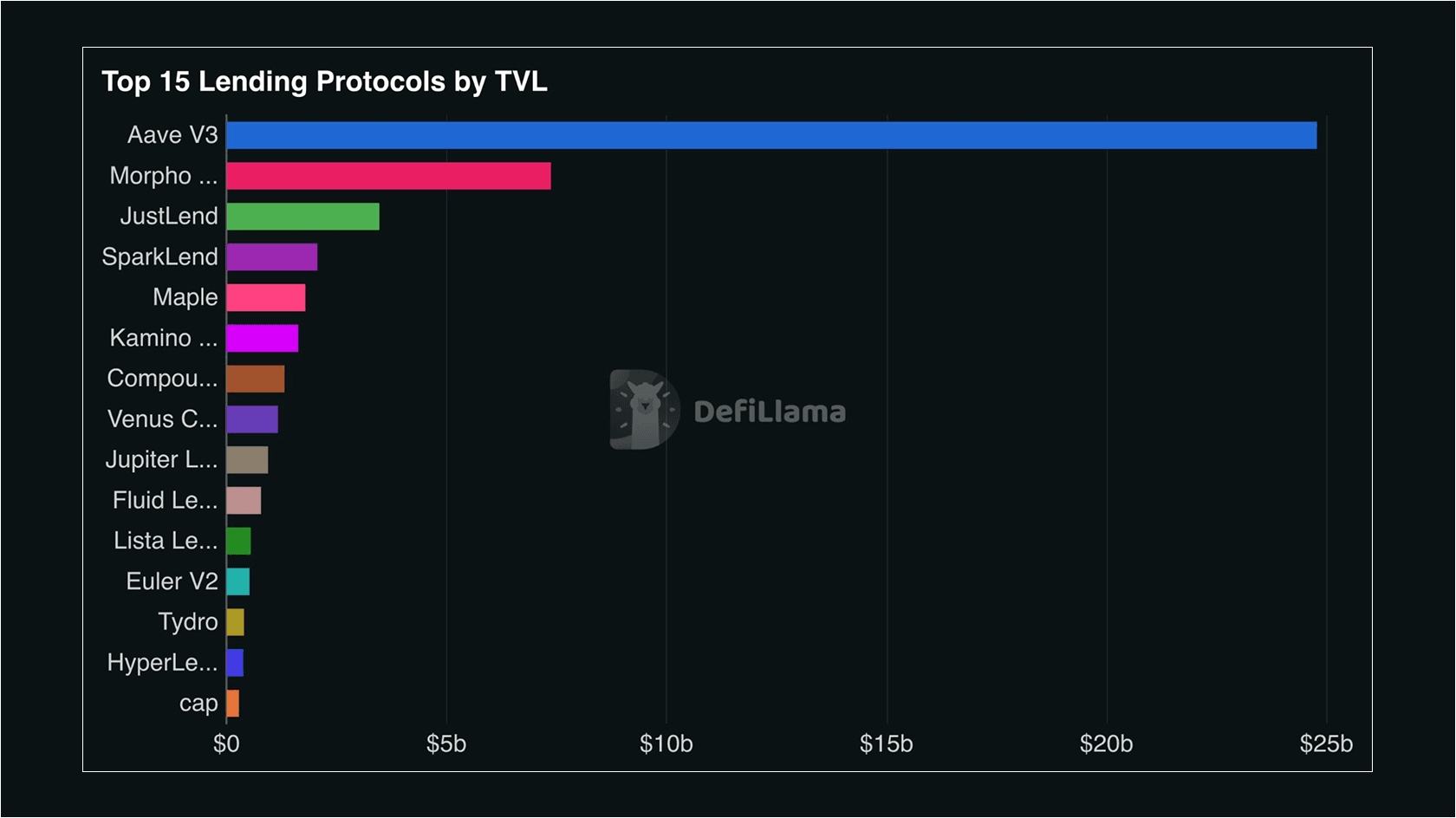
In lending protocols, liquidations are automated, but deposit and borrowing decisions remain human-driven. Agents have redistributed over $2B, which is less than 2% of the total $130–140B in DeFi.
Where Humans Dominate
Stablecoins and card payments remain sectors with minimal agent presence, around 5%. The real adjusted market volume in 2025 reached $28T, with over 80% of USD-denominated transactions coming from users outside the U.S., mainly in developing economies.
In crypto wallets, automation is also limited: transaction confirmation still requires human involvement.
Verifying Humans and Agents
As more agents operate on-chain, a key question emerges: who stands behind them, and can they be trusted?
Several projects are building infrastructure to address this.
World has verified over 17M users through iris scanning and then introduced tools that allow agents to prove their link to a specific human.
t54 focuses on real-time risk assessment and protecting agent activity from fraud.
Self Protocol tackles the same challenge using zk-proofs — an agent is cryptographically tied to a verified owner without revealing personal data.
Kite AI is developing a dedicated L1 where each agent has a verifiable identity and programmable spending limits.
This post is for informational purposes only and does not constitute advertising or investment advice. Please do your own research before making any decisions.