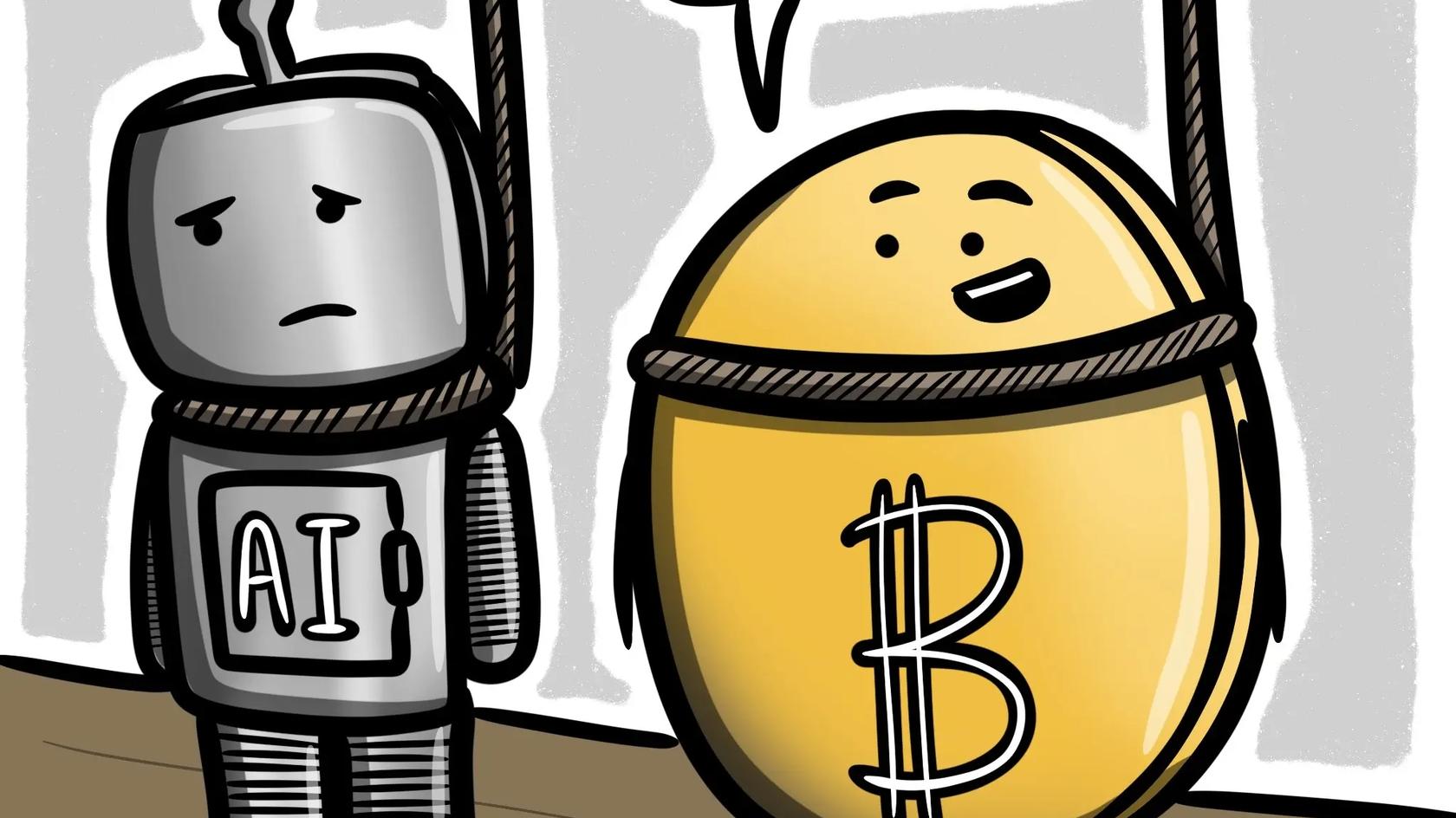
On Thursday, November 5, Bitcoin plunged below $76,000 as U.S. stocks tumbled. Investors are pulling out of tech stocks in droves: doubts are growing about the economics of the AI industry, which companies have already poured billions into, and it is still unclear when that money will come back.
How It All Started
The sell-off began in the tech sector. The Nasdaq lost 5.5%, the S&P 500 dropped 4.4%, and the semiconductor index sank about 12%. Nvidia shares fell 9.3%, while AMD dropped 17.3%.
Donald Trump called the day one of the worst days in history and linked the sell-off to Democrats’ victory in the midterm elections.
“But the American market will soon be bigger and stronger than ever,” he said.
On Wednesday, right after the election, stocks were still rising. Investors reassessed the fallout the next day: Democrats won majorities in both chambers of Congress, and the market fears they will be able to curb the growth of AI infrastructure. Rising borrowing costs and the debt of the companies building that infrastructure added to those fears.
The Crypto Market Followed the Nasdaq
Bitcoin, which was trading near $80,000 in the morning, slid below $76,000 and lost 5.3% over 24 hours. CoinGlass recorded $1.3B in liquidations. About $1.1B of that came from long positions, or bets on a price rise.
Investors pulled $430M out of U.S. spot Bitcoin exchange-traded funds, of which about $305M came from Fidelity and BlackRock funds.
Miners that are retooling their businesses for AI were hit hardest. An hour after the opening bell, shares of IREN, Cipher Mining, TeraWulf, and CleanSpark were down 13–14%, and Keel Infrastructure was down 17%.
Gold proved to be a safe haven: it rose 0.6% to $4,100 per ounce, and at one point it was up more than 1%.
Our Take
Bitcoin turned out not to be an alternative to the financial system but, in effect, its hostage. There was no decoupling; what happened was correlation, and Bitcoin fell in step with the stock market’s fears.
So the crypto market increasingly depends on the success of a few Wall Street funds. In other words, the technology is decentralized, but the money behind it is very much centralized.
We don’t think the AI bubble is bursting yet. What is bursting looks more like a bubble of expectations that this sector will deliver an endless stream of money. Companies are borrowing billions for infrastructure while there is still no sign it will turn a profit. Crypto miners are shifting to AI data centers, so the moment doubts surface about whether AI will pay off, both industries get hit at once.
You can discuss the threat of AI from completely different angles, but the danger here lies elsewhere: investors could go bankrupt before these technologies start paying off at all. There is still too little tangible evidence that these investments are justified.