
Binance founder Changpeng Zhao served four months in a U.S. prison before receiving a pardon from Donald Trump. He stepped down as CEO in 2023, but remains the company's majority shareholder and lives in the UAE.
- markets
- news
- 06 Oct 26
Power Without a Title: Inside CZ's Post-Prison Diplomacy
Here is how Changpeng Zhao is carving out a new role in the crypto industry: a $2 billion Binance deal tied to a Trump-backed stablecoin, an asset-seizure lawsuit against the exchange, and CZ's consulting work with foreign governments.
0
nft.eu
- rating +20
- subscribers 90
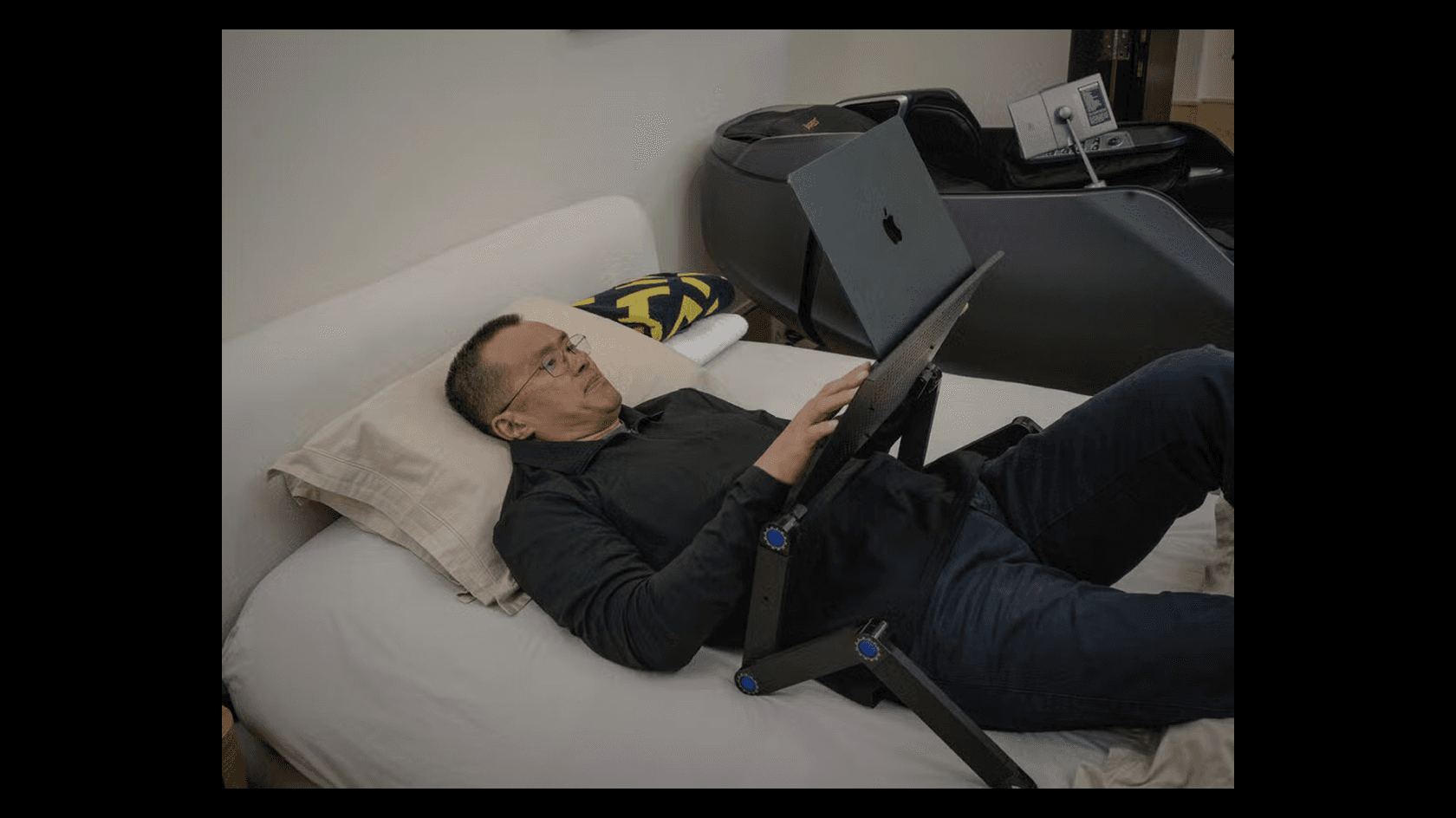
In early October, The New York Times released an in-depth profile detailing how CZ now travels across Asia advising governments on crypto regulation, even as U.S. authorities probe Binance over potential violations of Iran sanctions.
Four Months, a $50M Fine, and a Presidential Wipeout
Zhao’s prison sentence stemmed from a U.S. criminal case. In 2023, the businessman pleaded guilty to violating U.S. anti-money laundering requirements, with the Department of Justice asserting that under his leadership, Binance failed to maintain effective controls over suspicious transactions.
Binance itself pleaded guilty and agreed to pay $4.3 billion. Zhao was sentenced to four months in prison and a $50 million fine.
On October 23, 2025, U.S. President Donald Trump granted Zhao a full and unconditional pardon. While the pardon clears his criminal record, it does not release Binance from its settlement obligations with U.S. regulators or restore the exchange's operating licenses in the United States. However, it frees Zhao to conduct international business, close deals, and engage with government officials without restriction.
Read Also: Changpeng Zhao Outlines Strategy for US Market Relaunch
The $2 Billion USD1 Deal
In March 2025, MGX — an Abu Dhabi investment fund backed by the emirate's government — poured $2 billion into Binance in exchange for a minority stake. This marked Binance’s first institutional investment. Although Zhao was no longer CEO, he retained a major stake. The parties announced the deal would be settled in crypto, but kept the specific asset under wraps.
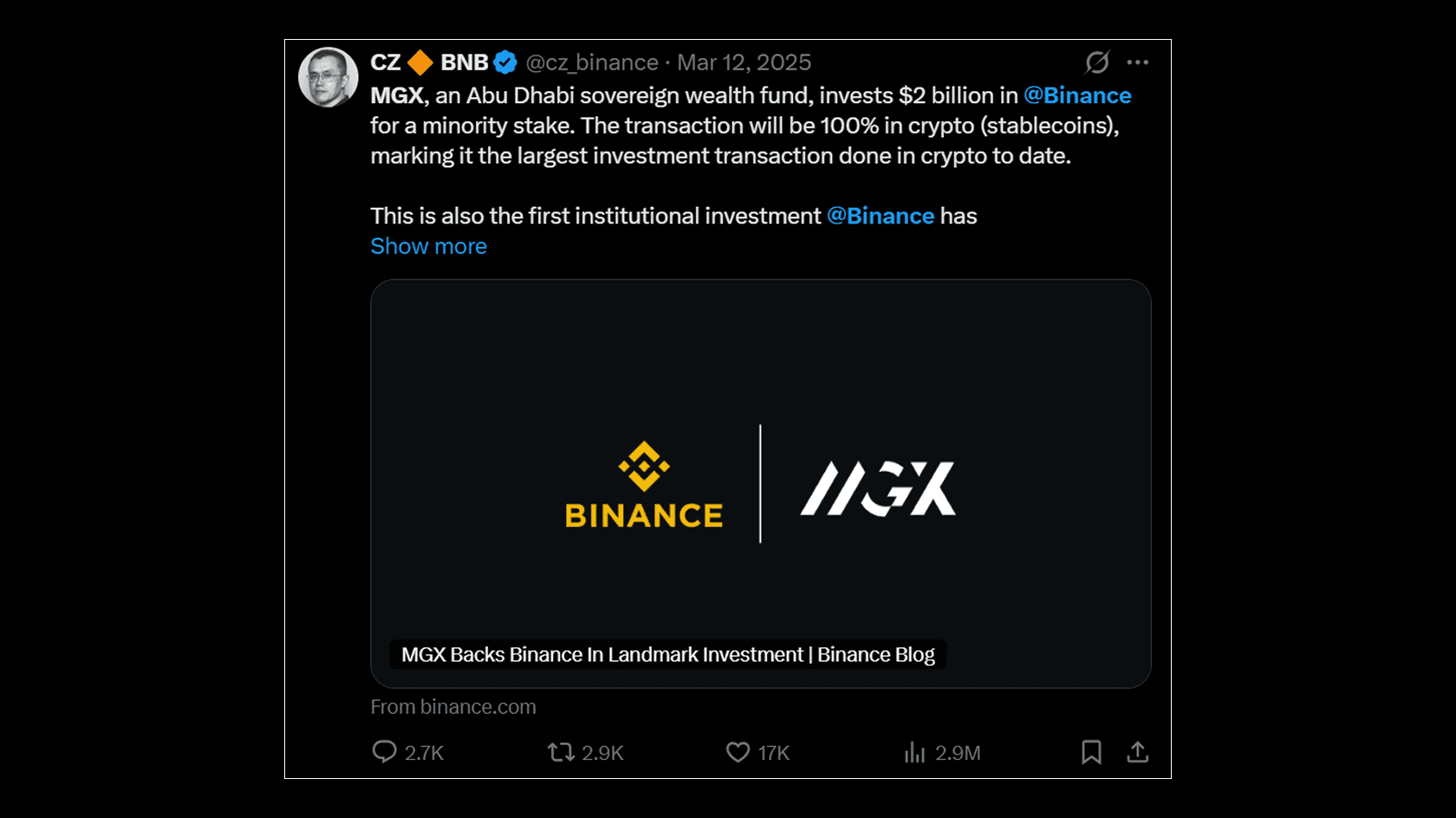
On May 1st at the Token2049 conference in Dubai, Zach Witkoff — co-founder of World Liberty Financial, a crypto venture tied to the Trump family — revealed that the transaction was settled using the USD1 stablecoin. The massive $2 billion deal dramatically scaled up USD1’s market footprint and flooded its issuer with significant reserves.
The arrangement immediately drew political fire in the U.S. Democratic senators Elizabeth Warren and Jeff Merkley argued that using USD1 created a financial nexus linking the Binance deal, capital from the UAE, and the Trump family's business interests, prompting them to demand transparency and documents regarding the stablecoin selection.
Read Also: Senator Warren Accuses Trump of Taking a Bribe for Pardoning Changpeng Zhao
According to The Wall Street Journal, Binance requested crypto settlement, after which MGX selected USD1 on the grounds of commercial viability. Binance representatives maintained that MGX made the call; Zhao’s side argued that Binance simply asked for a crypto settlement, leaving the investor to pick USD1 independently.
The Middle Eastern Hub
The UAE became a strategic stronghold for Binance well before the MGX investment. Zhao relocated to Dubai in 2021 and later secured Emirati citizenship, maintaining his ties to the Emirates throughout his legal battles with U.S. authorities.
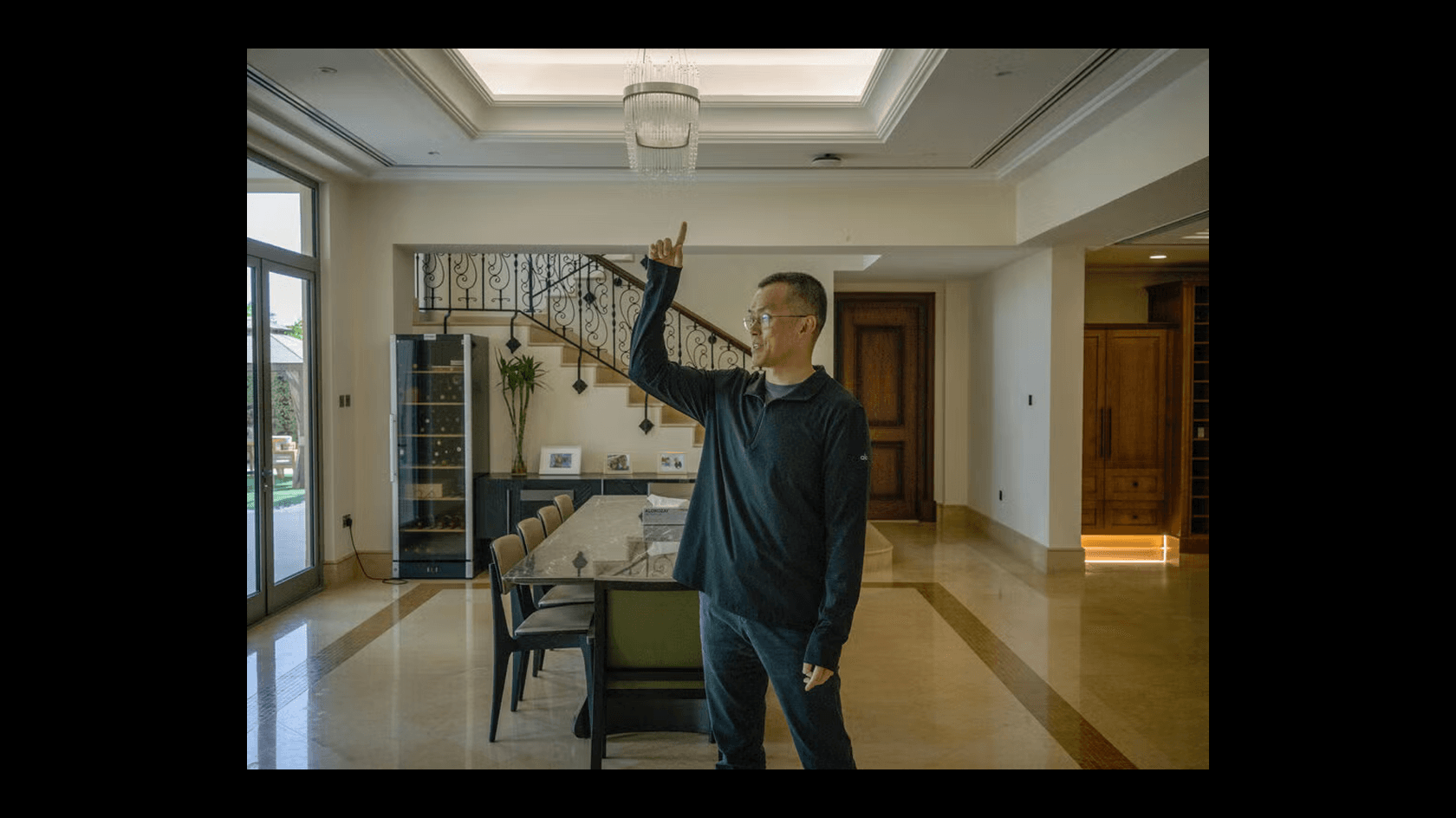
The country is a magnet for business thanks to its zero personal income tax and a government driven to turn the UAE into a premier global hub for digital assets.
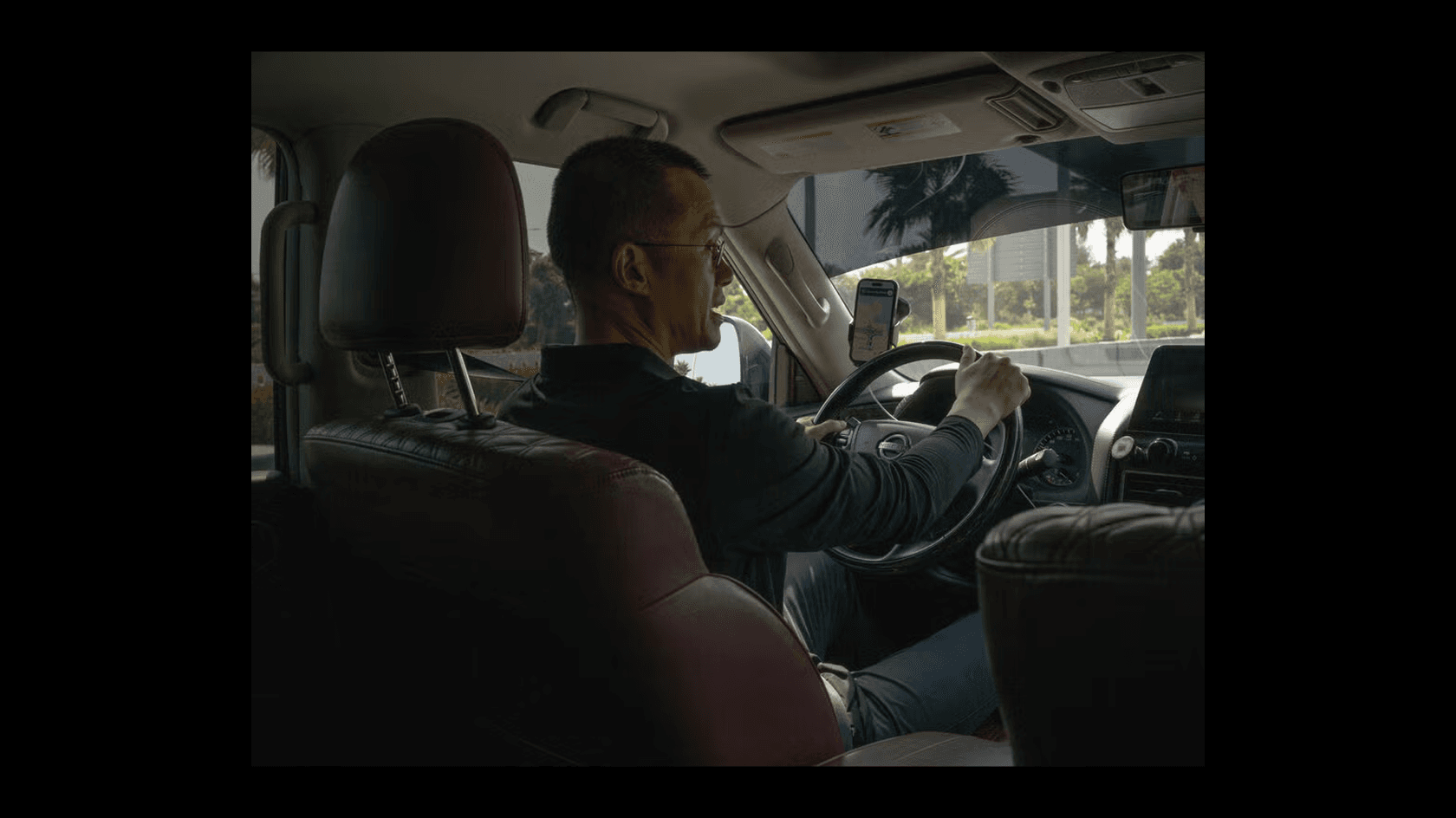
In December 2025, Binance locked in its regulatory footing in Abu Dhabi. Operating through the Abu Dhabi Global Market (ADGM), the company secured authorizations from the Financial Services Regulatory Authority (FSRA) for broker-dealer and clearing operations, securing a fully regulated infrastructure for a slice of its global footprint.
"The UAE has the most progressive crypto regulation anywhere." — said CZ, August 2026
The $61 Million Question
On September 14, 2026, the U.S. Attorney’s Office for the Southern District of New York filed a civil forfeiture lawsuit targeting roughly $61 million in USDT across ten wallet addresses. Prosecutors allege that Chinese firms Blessed Trust and Hexa Whale used Binance trading accounts to launder profits from Iranian oil sales in circumvention of sanctions, routing over $1.5 billion through an associated network.
The warning signs emerged back in February 2026, when The Wall Street Journal and The New York Times reported that Binance had fired or suspended at least four compliance specialists who flagged these transactions. A week later, Bloomberg reported that the Manhattan U.S. Attorney’s Office and the DOJ were investigating whether the exchange knowingly processed transactions in violation of Iran sanctions.
Binance representatives told the WSJ that the exchange is not a defendant in the lawsuit and that the filing contains no allegations of wrongdoing on its part, emphasizing that it maintains a strict policy against servicing sanctioned individuals.
"We enforce a zero-tolerance policy for sanctions violations and actively cooperate with law enforcement." — Binance Representatives.
This is hardly uncharted territory for the exchange. Under the 2023 settlement, Binance admitted to widespread sanctions violations, including Iran-related infractions: between January 2018 and May 2022, the platform knowingly permitted transactions totaling over $898 million between U.S. users and individuals in Iran.
Ultimately, the pardon cleared Zhao of criminal liability, but left the exchange itself on the hook. Because CZ remains Binance's majority shareholder, the outcome of these investigations directly impacts the company that underpins both his wealth and his influence.
CZ’s New Chapter
Stepping down from Binance didn't mean retreating into quiet retirement or focusing solely on investments. According to The New York Times, Zhao travels across Asia advising governments on how to shape crypto regulation. The outlet describes him as a sort of crypto diplomat, welcomed in high-level government circles — visits that are frequently followed by announcements of new regulatory frameworks friendly to Binance.
Zhao’s ties to UAE officials date back to his 2021 move to Dubai, where he partnered with local authorities to help draft rules for crypto operations. Binance dispatched three staffers to assist in shaping the regulatory framework, which was finalized in January 2022 and quickly codified into law.
Since then, Zhao has leveraged that playbook on a broader stage. The New York Times reports that he advised Sam Altman on establishing a corporate footprint in the UAE, warning him about potential regulatory hurdles in other jurisdictions.
Post-prison life has only accelerated this outreach. Zhao has noted that he now travels the globe to champion crypto adoption and meet with government leaders.
"I'm probably talking to about a dozen governments about tokenizing sovereign assets." — said CZ, January 2026 (Davos).
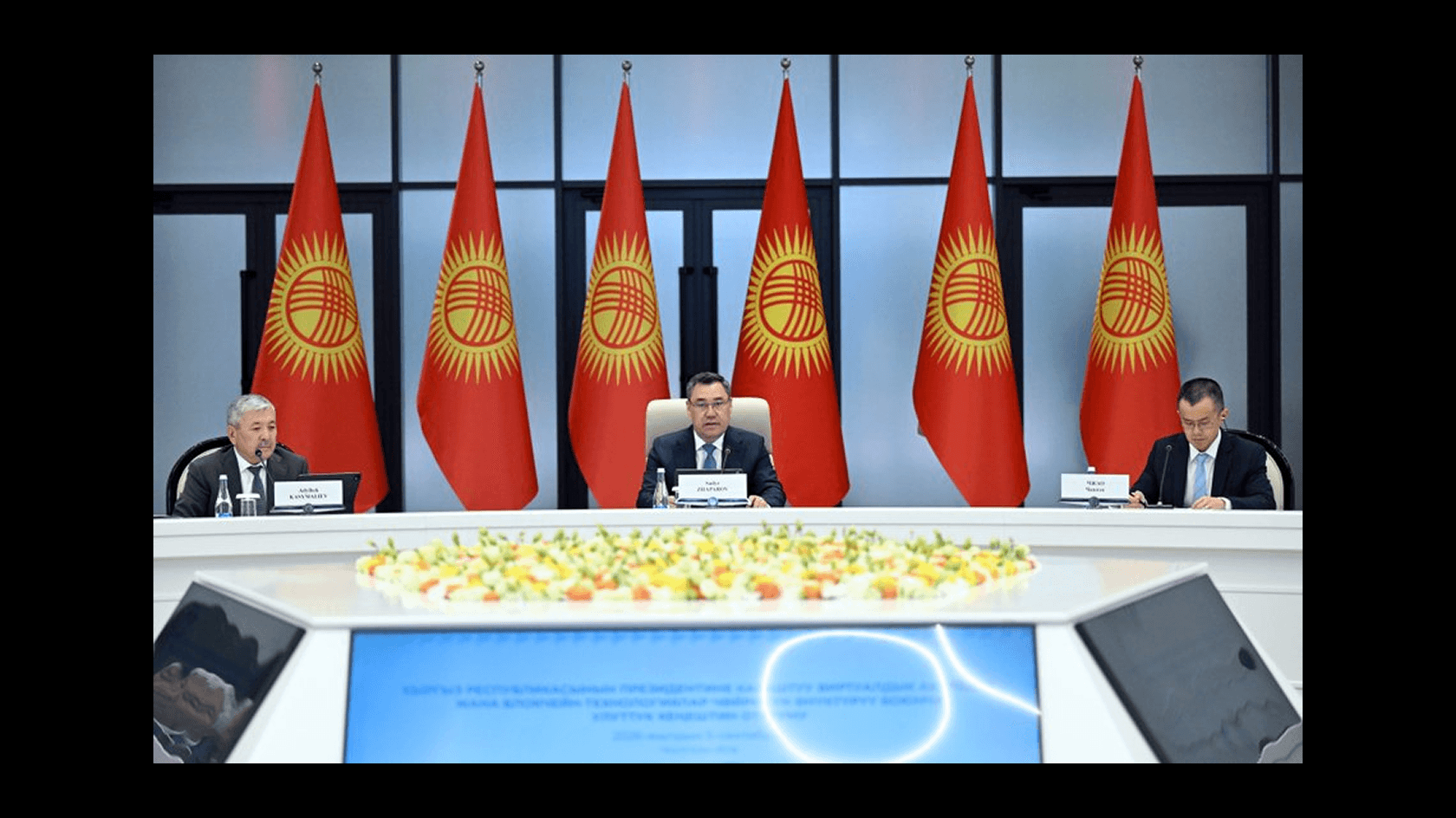
Since the spring of 2025, Zhao has served as a public digital asset advisor to Kyrgyz President Sadyr Japarov. When his pardon was announced in October 2025, CZ happened to be touching down in Bishkek to meet with Japarov, who was exploring the launch of a national stablecoin. The very next day, Kyrgyzstan announced the rollout of a national currency-backed stablecoin, KGST, built on the BNB Chain.
Our Take
In our view, the real story isn't just that CZ walked out of prison and kept his fortune. What's far more fascinating is the paradox: a man whose exchange governments tried to bring to heel is now advising those same governments on how to regulate the market. He lost his corporate title, but gained the power to shape the rules of the game.
For the wider crypto landscape, this establishes a brand-new model of influence. Zhao doesn't need to sit in the CEO chair to benefit from shifting regulatory tailwinds — holding a controlling stake, deep ties to the exchange, and direct access to power in Washington and Abu Dhabi is more than enough.
In that sense, CZ shares a lot in common with Pavel Durov. Both built platforms that governments are desperate to control, yet realized that keeping those platforms running is nearly impossible without their founders. Pressure doesn't always strip a creator of power; sometimes, it simply turns an entrepreneur into a political kingmaker.
This post is for informational purposes only and does not constitute advertising or investment advice. Please do your own research before making any decisions.
0
Comments
0
Write a comment.