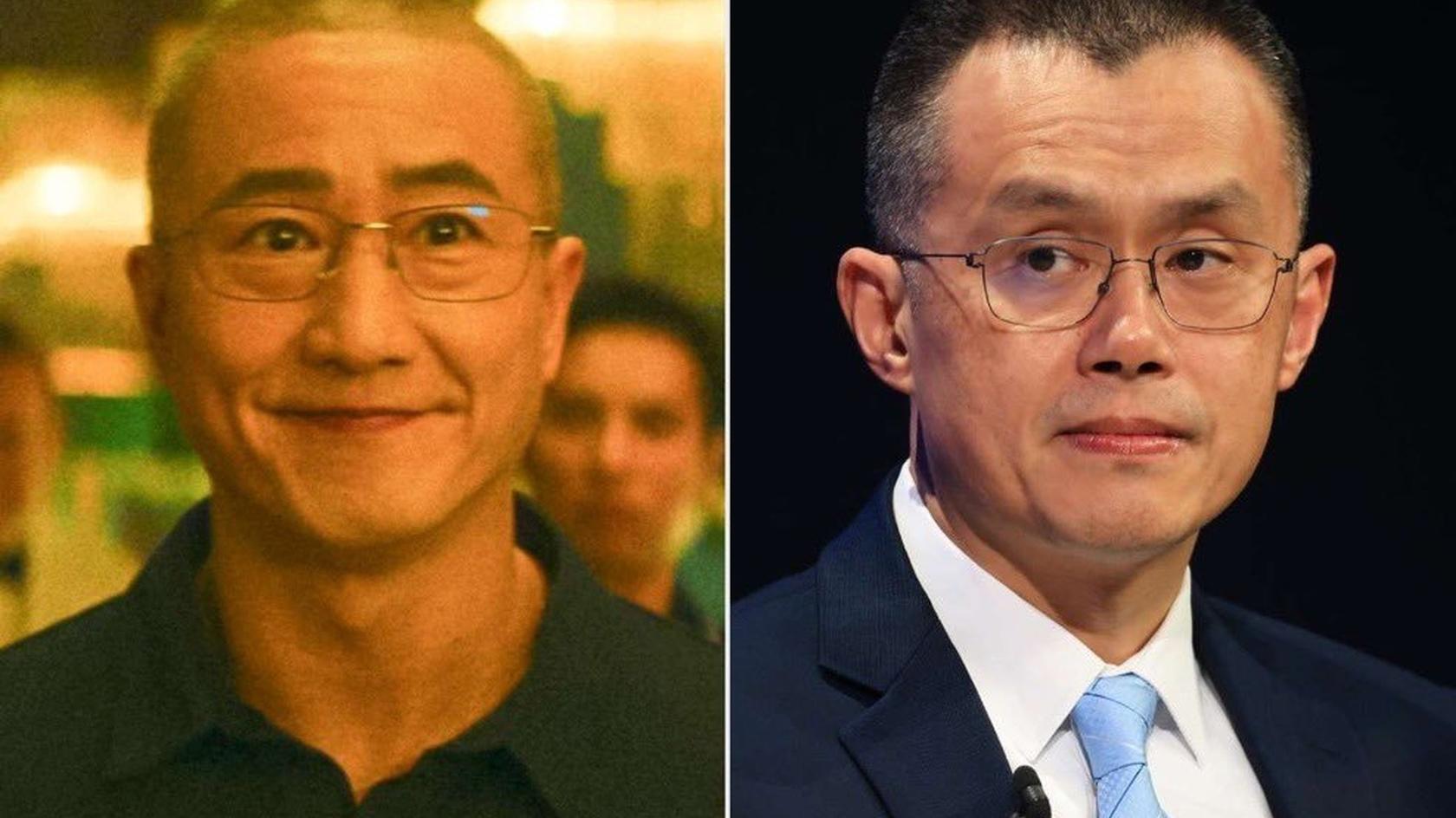
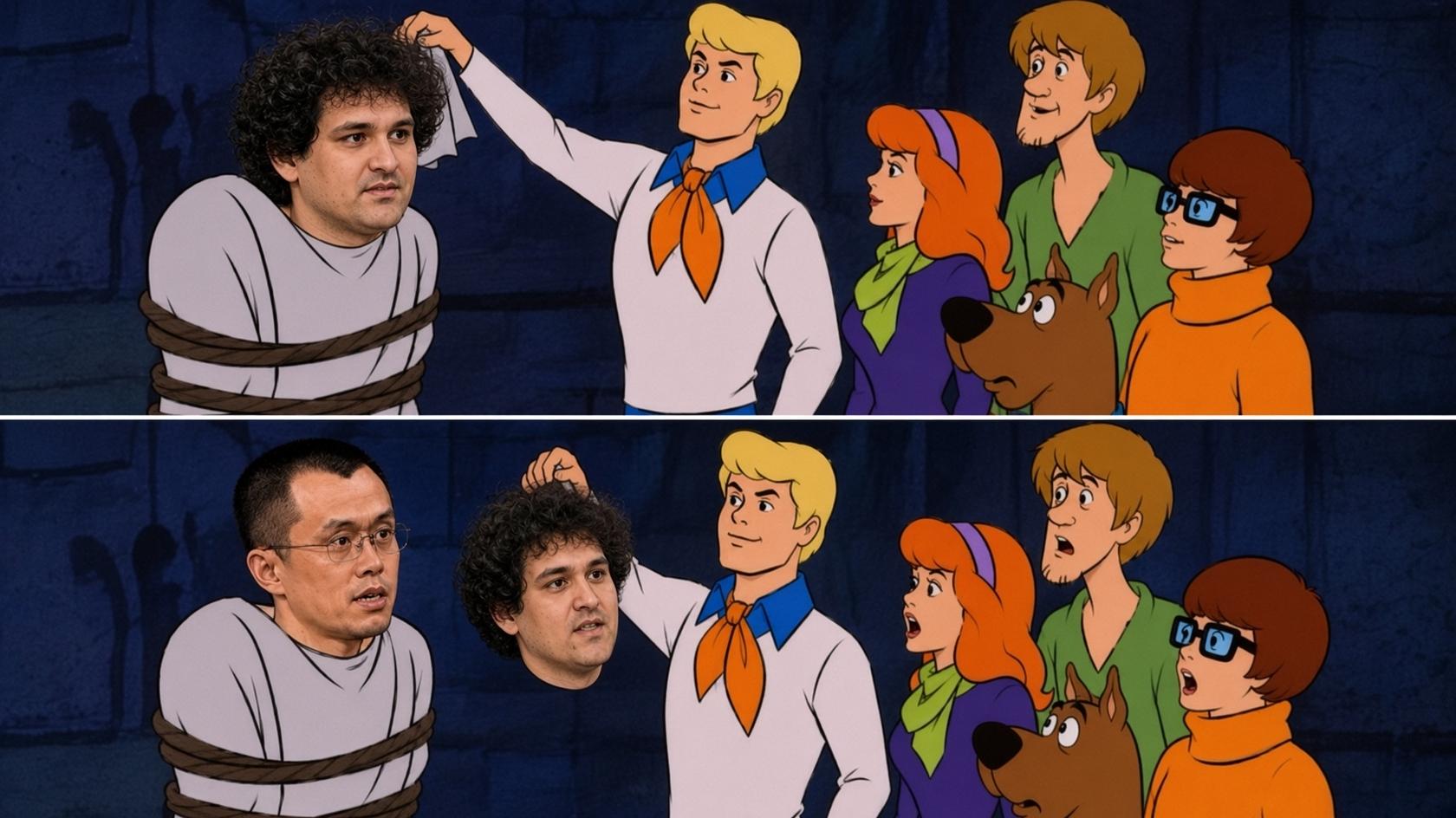
On November 19, Netflix released The Altruists, a series about the collapse of crypto exchange FTX. The story centers on the relationship between FTX founder Sam Bankman-Fried and Alameda Research CEO Caroline Ellison. Crypto industry figures have accused the creators of bias. We look at where Netflix’s account of FTX’s collapse departs from what actually happened and who it casts as one of the main villains.
An Unflattering Portrayal
Binance founder Changpeng Zhao was particularly critical of the series. In Netflix’s version of events, it was Zhao who suggested that FTX give Alameda Research access to customer orders before they were executed. Knowing which trades FTX users were about to make would allow Alameda to trade ahead of them and profit at their expense.
Zhao shared his reaction to the fourth episode on X.
“This is insane and complete nonsense. I guess this is how public opinion is manipulated,” he said.
That same day, Graham Moore, the creator of The Altruists, spoke to Vulture, acknowledging that the writers had made up the entire scene.
The Crypto Industry Reacts
Ethereum co-founder Vitalik Buterin commented on the way Zhao speaks in the series.
“They made his foreign accent about three times as strong as I remember it being,” he wrote.
Binance co-founder Yi He also criticized Netflix. She took issue with the writers’ use of stereotypes to make Bankman-Fried look better at the expense of other characters.
Yi He pointed out that before FTX went bankrupt, Bankman-Fried himself had approached Zhao for help, describing the exchange’s problems as a temporary liquidity crunch.
“At the time, even they didn’t know how big the shortfall was,” she said.
Don Wilson, founder of investment firm DRW, was also surprised by how sympathetic Netflix’s portrayal of Bankman-Fried was. After seeing the caricature of Zhao, former Binance executive Tigran Gambaryan even began to question how much of the rest of the series could be trusted.
What Role Did Binance Play in FTX’s Collapse?
When FTX was just getting started, Binance was among its earliest investors. In 2021, Zhao’s company sold its stake in Bankman-Fried’s business, receiving part of the payment in FTT tokens issued by FTX.
A year later, on November 2, 2022, CoinDesk published details of Alameda Research’s finances. The report revealed that FTT accounted for a significant share of the company’s assets. In effect, Alameda’s financial health depended heavily on the value of FTX’s own token.
Four days later, Zhao announced that Binance planned to sell its remaining FTT holdings. FTX customers rushed to withdraw their money, and it soon became clear that the exchange could not meet all withdrawal requests.
Binance even considered buying FTX but walked away from the deal after reviewing the exchange’s finances. By November 11, Bankman-Fried’s exchange had filed for bankruptcy.
In March 2024, Bankman-Fried was sentenced to 25 years in prison. Investigators found that billions of dollars in FTX customer funds had been used to pay off Alameda Research’s debts, make investments, cover Bankman-Fried’s personal expenses and fund political donations. In June 2026, an appeals court upheld his sentence.
Binance is still facing legal claims from FTX. In July 2026, a court dismissed claims for damages over Zhao’s social media posts, citing unlawful conduct by the bankrupt exchange’s management.
The question of whether Binance and its executives must return the $1.76B that FTX paid to buy back their stakes in 2021 remains unresolved, however. The court allowed that claim to proceed.
Editor-in-Chief’s Take
The series plays on viewers’ emotions, something Buterin was right to call out. Who benefits from this version of events? Millions of people will watch the series, but only a handful will bother digging through the actual court documents.
This raises an interesting and rather troubling question: who gets to write crypto’s history — the people involved, the courts or Netflix? How people ultimately remember CZ will largely depend on how many watch the series and believe what they see on screen.
Of course, Zhao is no saint. But that does not give screenwriters the right to portray a real person doing things he may never have done.
There’s another interesting angle to this story that ties in with our recent coverage of Anthropic’s IPO.
In 2021, FTX invested $500M in Anthropic through Alameda Research. The stake was sold for around $1.3B during the bankruptcy proceedings, but it could have been worth close to $37B by the time Anthropic goes public. While Netflix tells the story of Bankman-Fried’s business empire collapsing, one of his former investments is turning into one of the most valuable assets of the AI boom.
It’s worth asking how different things might have been for FTX customers who lost money if the investment had been held to this day rather than sold during the bankruptcy proceedings. How many tragedies could customers of the ill-fated exchange have been spared, and how many lives could have been saved?