For instance, the market capitalisation of gold exceeds $11 trillion, which is eleven times larger than the cryptocurrency market.
Consequently, the cryptocurrency market is much more susceptible to manipulation. Therefore, it's a fantastic idea to keep tabs on the movements of whales, who are individuals with substantial capital holdings.
In this article, we will explore the services that can be utilised to locate and monitor whale wallets, learn how to analyse their actions effectively, and leverage them for our benefit.
What Counts as a Whale? Hard Thresholds
A crypto whale is a wallet holding more than 1,000 BTC, more than 10,000 ETH, more than 1% of any altcoin's circulating supply, or executing single transactions above $1 million. These thresholds are used by on-chain analytics platforms including Whale Alert, Nansen, and Arkham Intelligence to classify whales:
Asset
Whale Threshold
Approx USD Value (Jul 2026)
Bitcoin (BTC)
>1,000 BTC
>$90M+ at ~$90K/BTC
Ethereum (ETH)
>10,000 ETH
>$35M+ at ~$3,500/ETH
Altcoins (general)
>1% of circulating supply
Varies by project
Any asset (transaction)
>$1M per transaction
N/A — size trigger
Any asset (influence)
Enough to move price 1–2% in a single trade
Market-dependent
Become a part of the community
Subscribe to our newsletter to be in-loop with all news from the crypto world
Getting Started with Whale Hunting
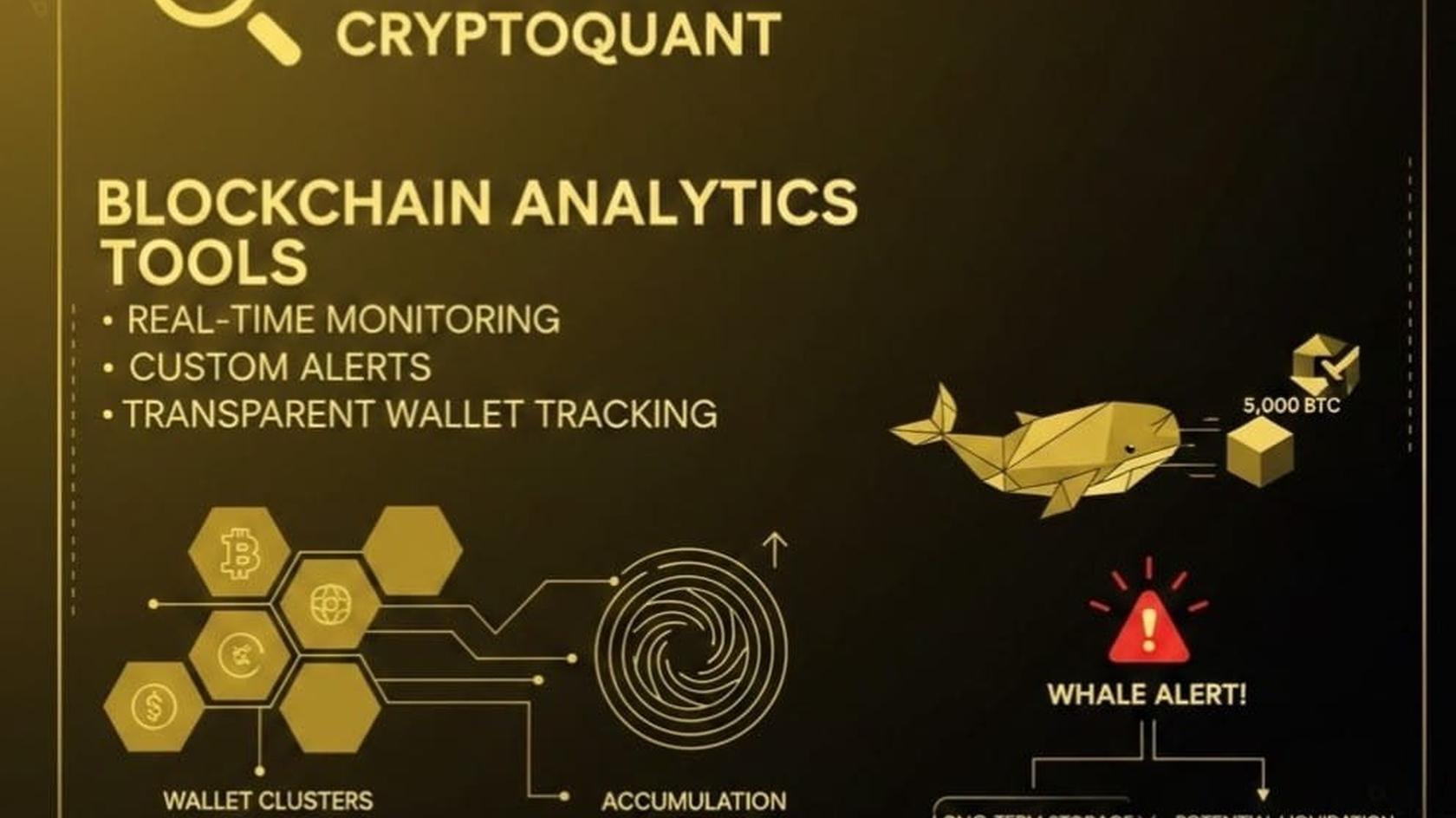
Crypto whale tracker tools. Source: @Fatima_Tariq
There are several tools available for analysing on-chain information. The table below compares the most widely used platforms by data type, cost, and use case:
Tool
Data Type
Free / Paid
Best For
URL
Whale Alert
Real-time large tx alerts (BTC, ETH, USDT, etc.)
Free (basic) / $9/mo
Immediate notification of moves >$1M
whale-alert.io
Arkham Intelligence
Entity-labelled wallets; cross-chain; institutional ID
Free tier / ARKM token model
Identifying who controls a wallet (exchange, fund, DAO)
Curated whale alerts with narrative context (X feed)
Free
Quick narrative context on why a whale moved
lookonchain.com
Glassnode
Macro on-chain metrics; whale-specific cohort data
$29–$799/month
Macro cycle analysis; BTC/ETH large holder trends
glassnode.com
Utilizing Blockchain Explorers
Many people mistakenly conflate cryptocurrency anonymity with transaction confidentiality. However, most blockchains rely on public ledgers that reveal every transaction and a wealth of associated data to anyone who knows how to access it.
Raw blockchain data can be quite challenging to comprehend. This is where blockchain explorers come to the rescue.
Etherscan is one of the most widely used explorers. Its name indicates the blockchain it examines. Similar products exist for almost all blockchains, including BscScan, Blockchain.com, Solscan, and more.
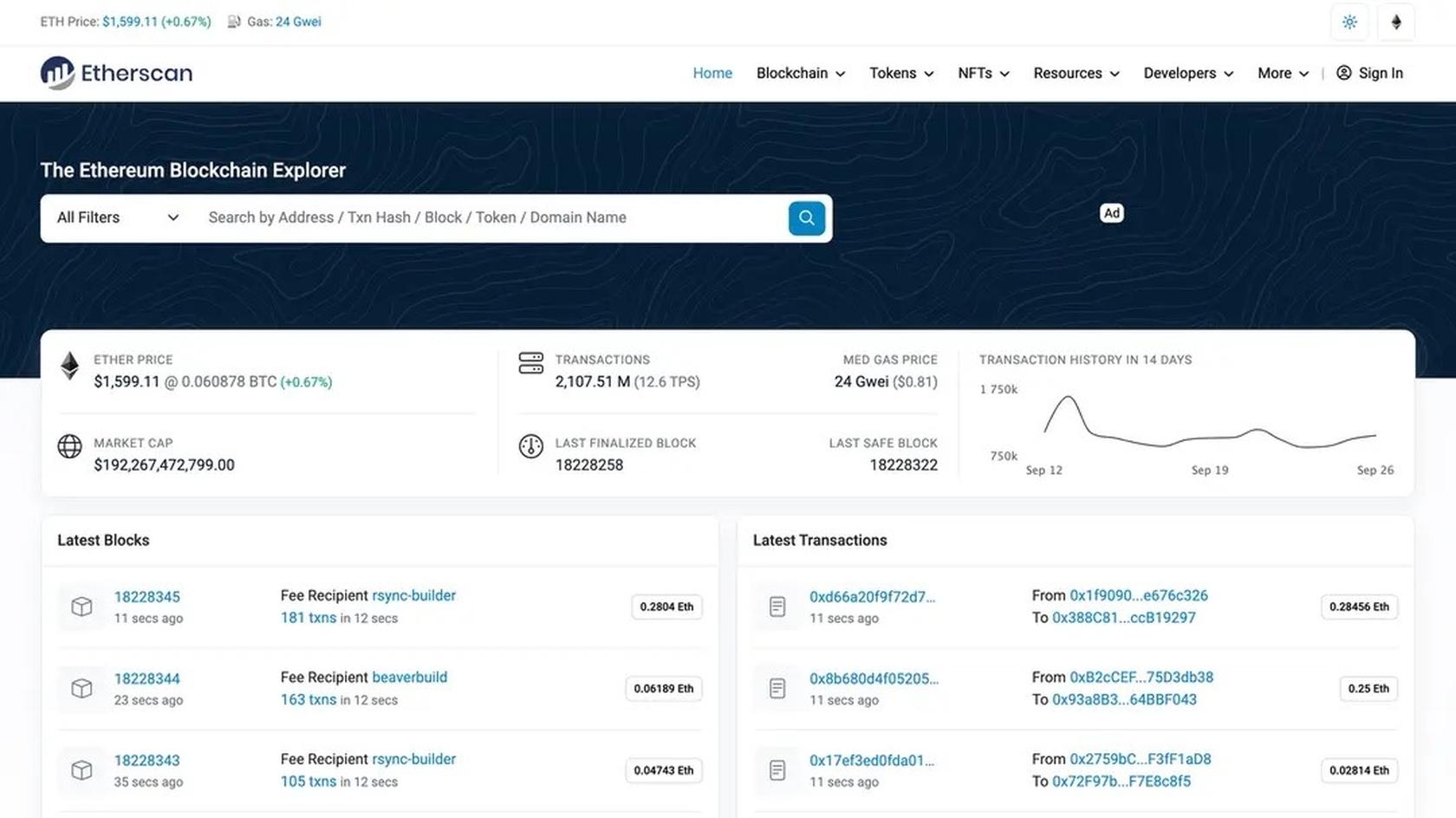
Let's delve into explorers using Etherscan as an example. On the main page, you will find essential Ethereum data, such as market capitalisation, current exchange rates, total transaction count and throughput, transaction charts, details of recent blocks, and more.
Etherscan home page
Scanners provide a means to access more in-depth information, such as:
Token technical specifications
Address owners
Previous token supply
Maximum supply
Token transfers
Token holders and more.
Among these options, the most intriguing is the page dedicated to token holders. This tab displays all token holders in descending order based on their quantity or percentage of ownership.
This functionality allows us to identify prominent token holders at the time of the latest block addition.
However, this path caters to the tech-savvy and those who relish complexity.
How to Utilise Nansen
Nansen is a tool that allows tracking of individual tokens and whales. The "Smart money" feature provides a comprehensive database of nearly 4,000 balances on the Ethereum network.
It serves as an all-in-one service that handles data collection, while the user's role lies in correctly interpreting the data to make informed decisions.
The primary drawback of Nansen is its cost. The basic subscription is priced at ~$150 per month (Starter tier), with access to Smart Money wallet tracking, token flow analysis, and portfolio profiling across EVM chains and Solana. A 7-day trial is available for $10.
The tracked wallets include numerous whales, investment funds, and successful past players.
By "successful players," they refer to those who have recently achieved significant profits and identified early opportunities in various domains, be it betting, liquidity provision, NFT trading, or cryptocurrencies in general.
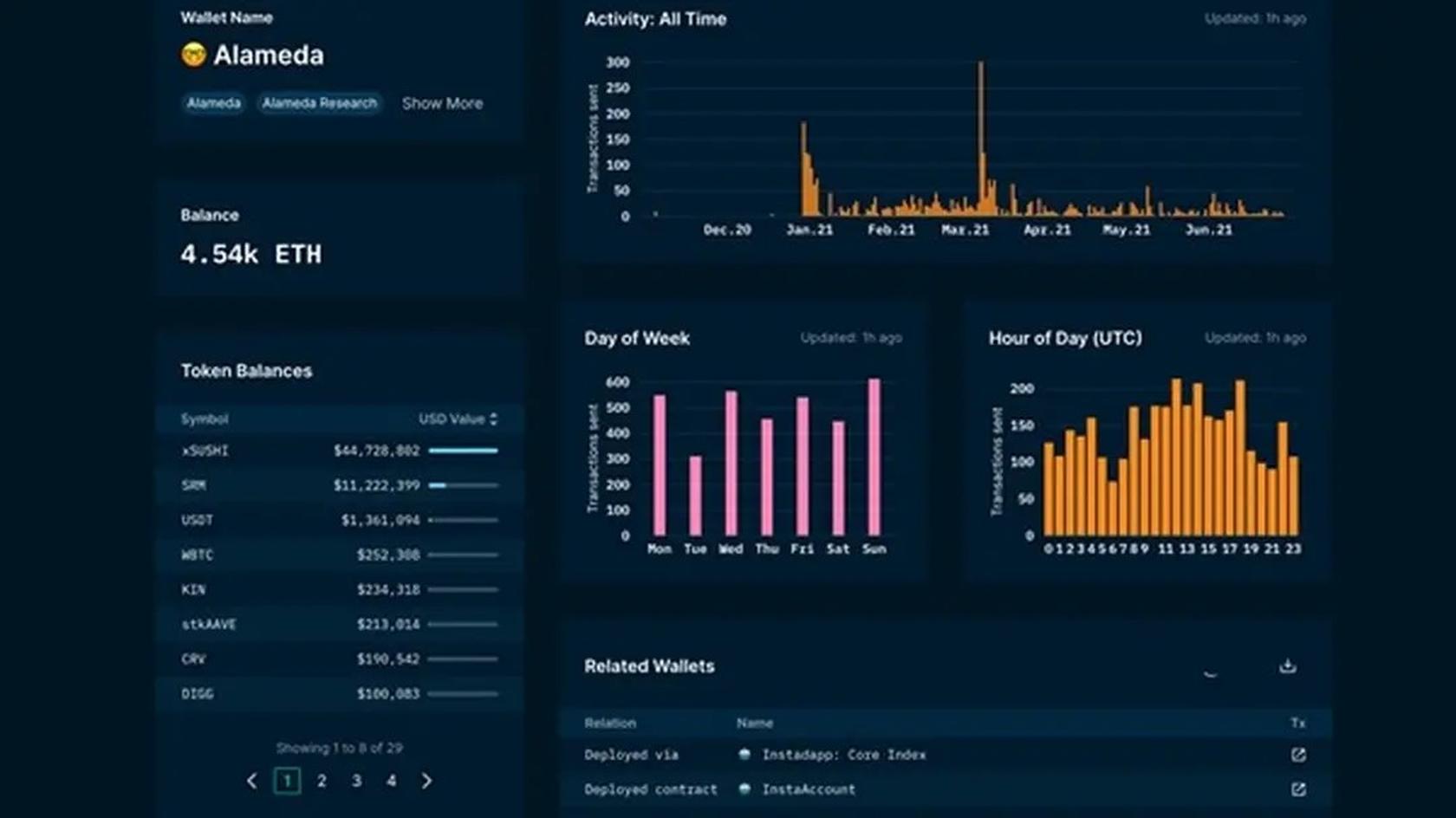
Alameda Foundation Wallet Page:
Alameda Foundation Wallet Page
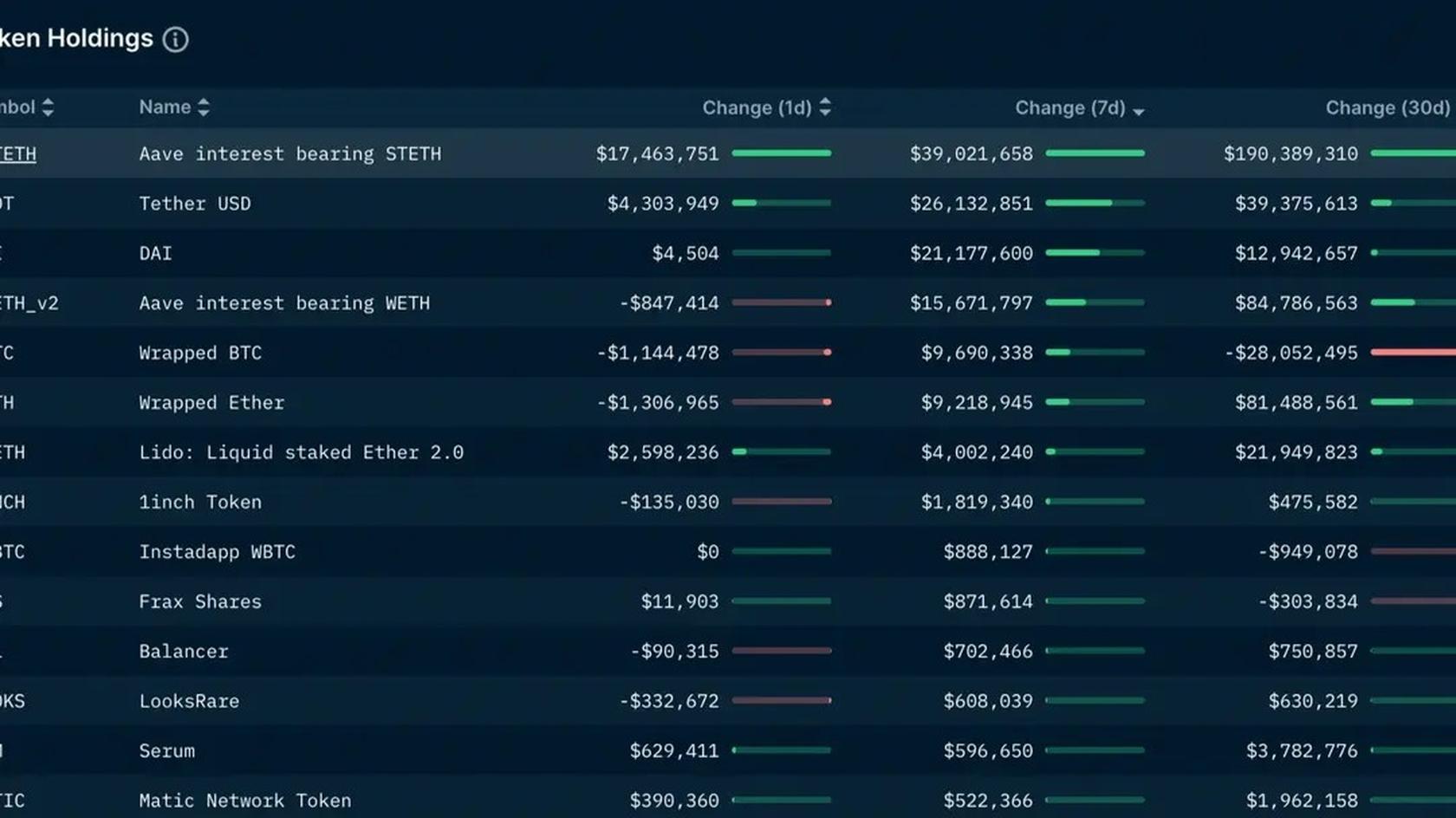
Using the "Smart money" feature, we can track significant changes in $USD volume per token across three different timeframes. This helps to determine whether smart money has been selling or buying the token over a specific period of time.
Shifts in Asset Allocation on Balances:
Change in asset allocation on balance sheets
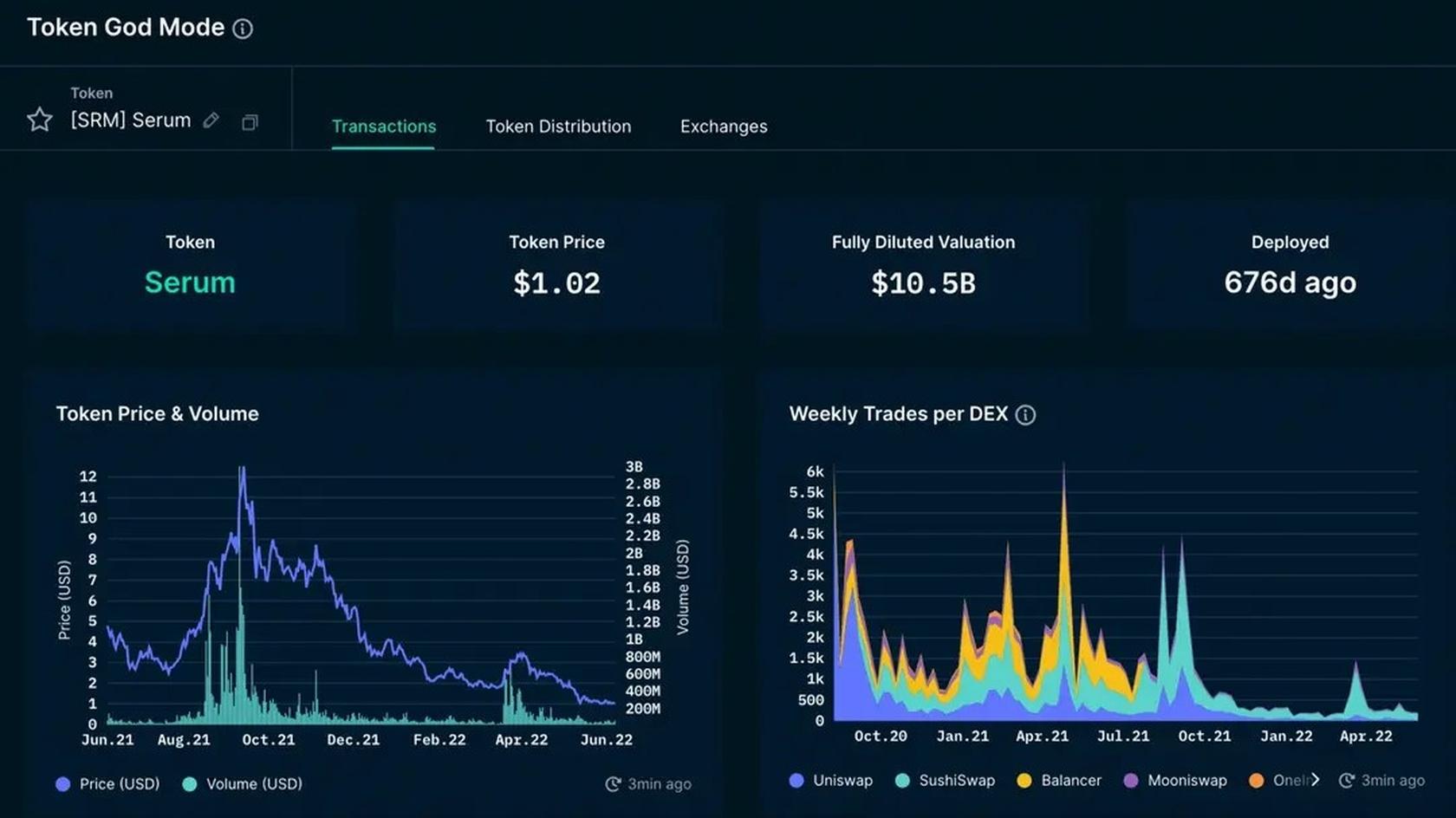
The combination of this functionality with the Nansen Token God Mode offers a wide scope for research. You have access to comprehensive information, including recent movements, holder distribution, smart money positions, and significant transactions.
Token God Mode Page:
Token God Mode Feature Page
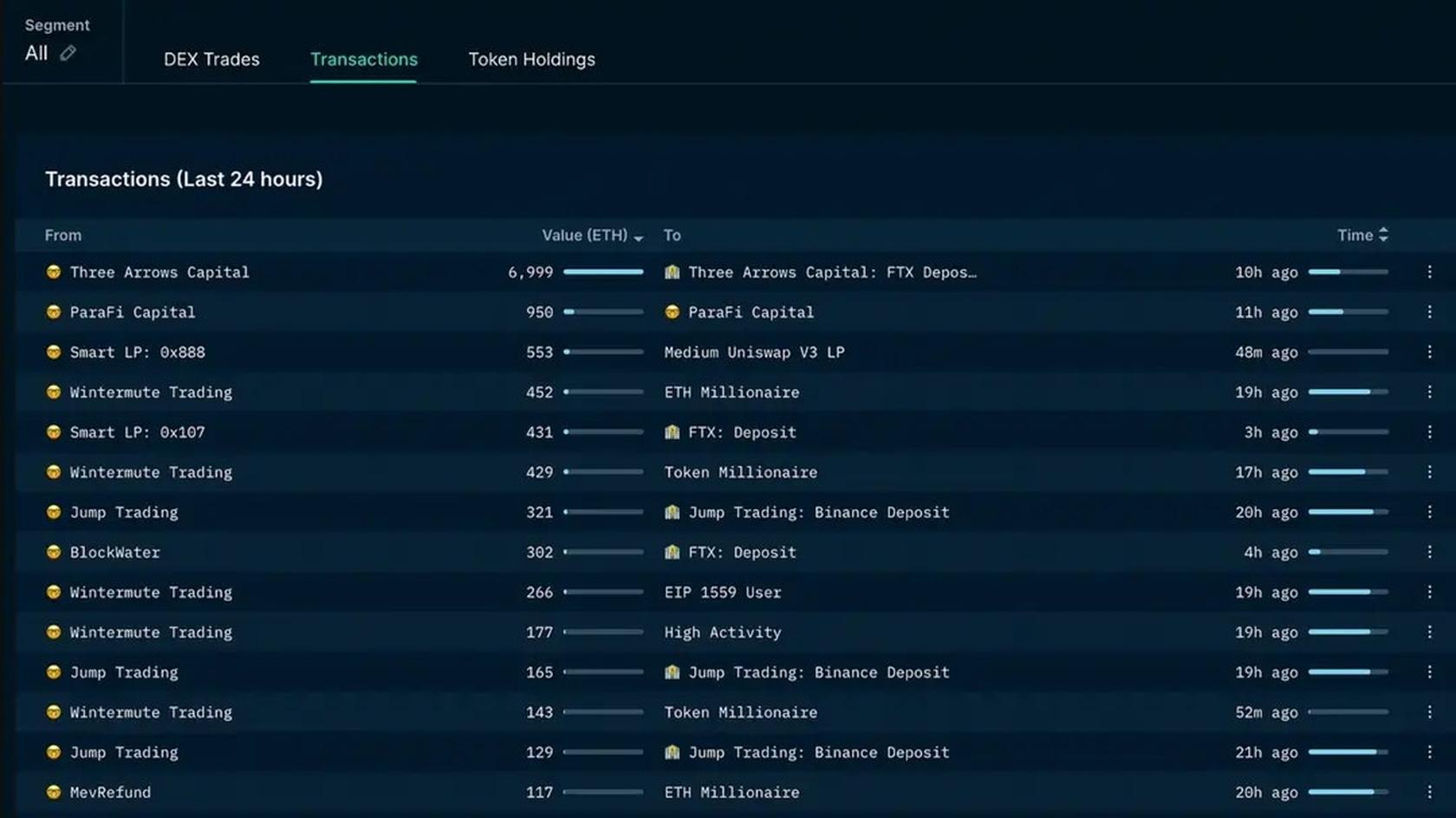
The initial section of this page assists in detecting whales through notable fluctuations in token holdings. However, whales can also be identified using the "Transactions" feature.
Transactions Tab
We can select any wallet, copy it and go to Debank.
Using Debank
Now, let's explore Debank functionality further by examining the activities of a particular whale that I have been monitoring for the past six months.
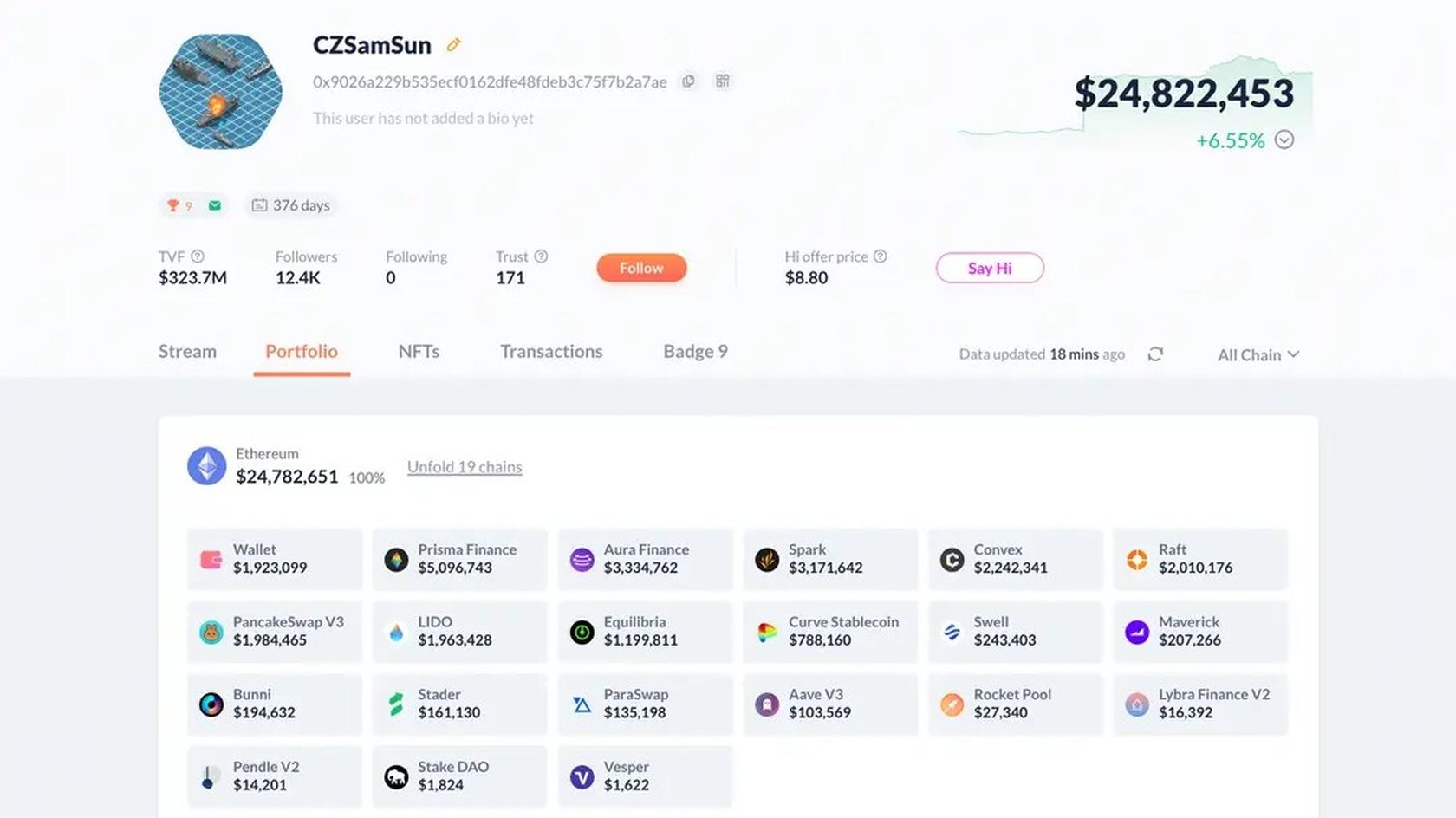
0x9026a229b535ecf0162dfe48fdeb3c75f7b2a7ae
The homepage of Debank with the Portfolio tab open:
Debank home page with Portfolio tab open
The homepage of Debank with the Portfolio tab open reveals that a prominent investor holds approximately $25 million across various networks, DeFi protocols, and assets.
While the page features five main tabs, our primary focus lies on the Portfolio and Transactions sections.
Based on the investor's asset holdings, it becomes evident that they are a DeFi enthusiast seeking opportunities to maximise liquidity with high yields. This notion is further supported by their transaction history.
Monitoring their movements can serve as a valuable signal indicating which protocols offer the most attractive APR, according to this investor's perspective.
Locating a reliable whale to follow for trading purposes will require a significantly greater effort.
Detailed analysis of transaction histories, including dates, purchase and sale prices, successful trade volumes, intervals between acquisitions and market pumps, sales and dumps, and other factors, becomes necessary.
In many instances, it is possible to identify wallets that participated in seed rounds, explore their interactions, and delve deeper into the network. These insights can then be used to establish connections between wallets, track their movements, and draw meaningful conclusions.
Whales typically do not liquidate their entire positions at once, as they require sufficient liquidity. Therefore, accurately anticipating their sales becomes crucial, enabling one to exit the market with a smaller position more easily.
It is important not to blindly follow every move made by whales, as smart money may not always be infallible. Even the most experienced investors can make mistakes.
For instance, I closely monitored the wallet of a particular whale who was accumulating $GPT tokens. Over the course of a week, they amassed tokens worth around $7 million. Based on their previous successful manoeuvres, I believed they possessed insider knowledge, prompting me to enter a position as well.
Unfortunately, the whale ended up closing the trade with a 30% loss, while I am still enduring a significant decline of over 80%.
Whale Behaviour Patterns: What On-Chain Data Reveals
Here’s how you can understand these documented patterns to distinguish actionable signals:
Accumulation before listing: Wallets associated with early project insiders or known funds accumulate tokens 2-4 weeks before a CEX listing announcement. The token accumulation is visible as steadily growing balances with no corresponding sells. Arkham Intelligence and Nansen both flag this pattern automatically.
Distribution after hype peak: Large wallets reduce exchange balances via OTC desks during social media engagement peaks. The Fear & Greed Index social buzz weighting can remain highly bullish while on-chain distribution occurs silently. This is a key divergence signal.
Wash-trade signal: When 80%+ of recent trades in an NFT collection trace back to just 2-3 wallets, this is a wash trading indicator. Whale wallets trading with themselves inflate volume metrics without genuine demand.
2026 institutional noise: ETF custody flows, such as Coinbase Custody transferring to Coinbase Hot Wallet, now constitute some of the largest daily on-chain moves, but are operationally driven. Arkham and Nansen both label these entities to prevent misinterpretation.
Strategy BTC accumulation: Strategy (formerly MicroStrategy) disclosed 818,334 BTC held as of April 26, 2026. This is programmatic treasury buying, and not active trading. Visible on-chain via publicly disclosed wallet addresses, this represents the clearest example of transparent corporate whale behaviour.
Discover. Learn. Profit
Subscribe to our newsletter to be in-loop with all news from the crypto world
Basic Guidelines for Following Smart Money
On-chain analysis is a valuable tool, but it should be complemented with other market analysis strategies and your own expertise.
Whale watching is an effective method for identifying early opportunities, but it's important to evaluate a project's merits independently of whale involvement.
Nansen is proficient in filtering exchange wallets and funds, and you should also employ similar filters.
Gain an understanding of tokenomics, including unlock charts and token distribution, to mitigate the risk of price manipulation by whales.
Avoid relying solely on the actions of a single whale. Monitor a significant number of whales, preferably around 50 tracked wallets, and take note if a substantial portion shows concurrent interest in a particular asset.
Stay vigilant about the investment decisions, accumulation patterns, and fund movements of whales.
Develop the ability to identify scam transactions. For instance, there have been instances of scammers utilising Debank's functionality to distribute fraudulent tokens, creating the illusion of whale involvement. It can lead to unfortunate financial losses for those who monitor such wallets.
Note: In 2026, also filter for institutional custody flows via hot wallets, such as those of Coinbase, Bitfinex, and Binance that appear as large on-chain moves but are operationally driven. Use Arkham Intelligence's entity labels or Nansen's exchange flow filters to exclude these automatically.