Solana Mobile: How a “Crypto iPhone” Dream Turned Into a Niche Gadget (And Who Still Made Money)
I still remember unboxing a Web3 phone for the first time. On the surface, it looked pretty much the same as any typical Android phone. Its screen lit up, the apps loaded as they do on every other phone, and it all looked perfectly normal. For a moment, I felt a bit disappointed because the ads said that this wasn’t supposed to be “just another smartphone,” and I expected it to be different. I expected a “gateway to a decentralized internet” to be designed like a completely different device from what I was used to.
The marketing pitch for Web3 phones, such as the Solana Saga mobile phone, claims that these devices allow the user to take control of their assets, data, and even their entire identity. This raises a question of whether a smartphone can really change the way we interact with the internet, or is it just a fancy cold wallet that can also send texts and make calls?
In a way, Solana Mobile’s Saga and Seeker devices were created to answer this question, and their journey so far has revealed both the potential of crypto-native hardware, but also the difficulties of trying to emerge in a market owned by Apple and Samsung.
Evolution of Solana’s Mobile Hardware Strategy
Source: Pexels
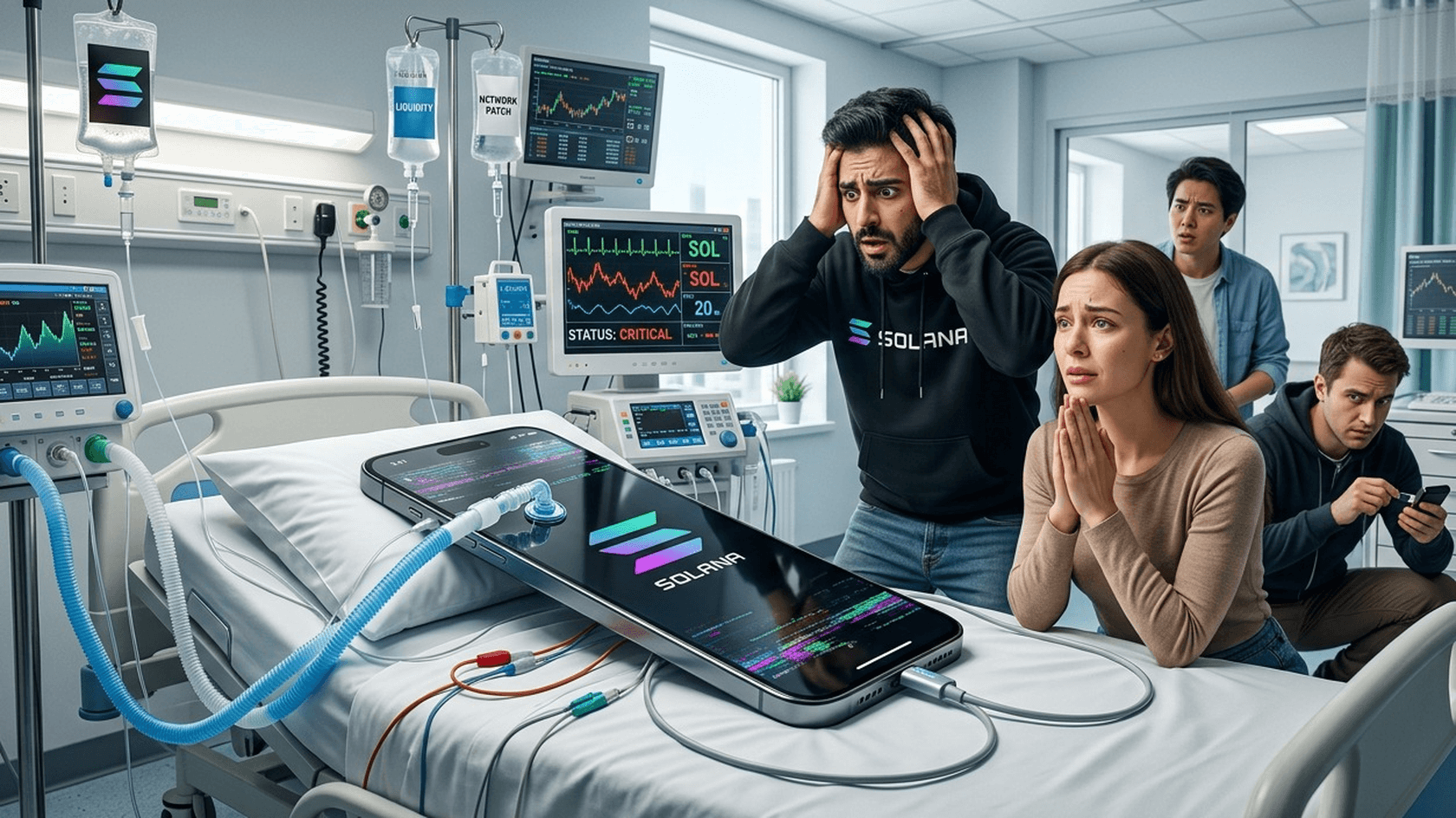
Solana’s first attempt to launch a Web3 phone came in the form of the original Solana saga. The move came with ambitious goals, as well as a premium price tag of $1,000 per device. The model was presented to the buyers as a flagship smartphone with deep crypto functionality. However, it was not met with enthusiasm that the developers expected. Sales remained modest after launch, making it clear that crypto features alone were not enough to convince buyers to get a Web3 smartphone.
The problem was that most people already had a flagship phone, and convincing them to spend another thousand dollars on a new one just because it was a Web3 device was challenging.
It was a harsh lesson, but one that Solana Mobile seemingly learned, as its second attempt saw a much greater success. When it launched Seeker, it did not try to compete with premium Android phones, but rather, it offered it at a much more affordable price of $450-$500. The move lowered the entry barrier, but it also changed the expectations of the device. Instead of a “replace your phone” pitch, Solana Mobile offered buyers to try out a new crypto-native device at an affordable price.
However, the price was not the only thing that was changed. The Saga had a large 6.67-inch OLED display, while the Seeker reduced it to a 6.36-inch AMOLED panel. For a casual user, the change did not represent a dramatic difference when it comes to everyday use. But, the change reduced the cost considerably, and it made the device somewhat easier to carry around.
Another thing to note is that memory and storage specifications changed as well, with the Saga offering 12GB of RAM and 512GB of storage, while the Seeker reduced the figures to 8GB of RAM and 128GB of storage. The Saga’s numbers suggested that it aimed to be a flagship device, while the Seeker felt more casual in comparison.
At first glance, it might make little sense to do a downgrade, especially when every new generation of phones is trying to fit in more memory and storage. However, you must remember that the point of the device was to interact with its crypto functionalities, not to act as the ultimate new smartphone.
With that said, Solana Mobile did improve the camera on Seeker compared to Saga. The Saga offered a standard 50MP main sensor while the Seeker stepped it up, introducing a 108MP primary camera and a 32MP secondary sensor. The megapixel count is not everything, of course, but the change made the device feel more useful than just a crypto tool. Even if it wasn’t made to compete with the flagship products, it was still a competitive mid-range smartphone.
Is the Solana Seeker phone a safe alternative to hardware wallets?
In terms of security, the Solana Seeker is more secure than a standard smartphone. The main reason is the fact that it features a built-in secure enclave and hardware-backed key storage. However, while it is safer than an average phone, it is not as secure as hardware wallets, which were specifically designed for one purpose only, and that is to protect private keys.
The Solana Mobile Stack (SMS)
Source: Pexels
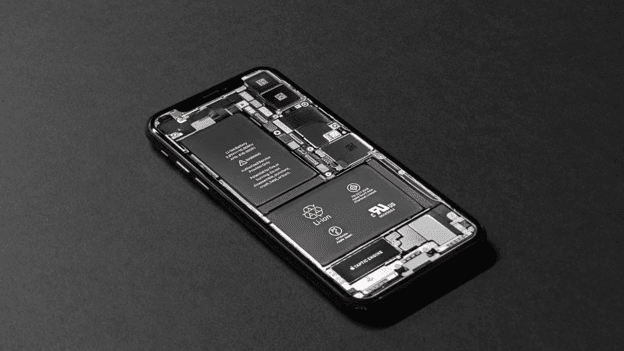
The real difference between a Solana phone and a standard smartphone is not the hardware, but something called the Solana Mobile Stack (SMS). The difference lies in the Solana Mobile Stack (SMS). To put it simply, this is a collection of crypto-related tools that make the phone what it is. Without that, both the Saga and Seeker would just be regular smartphones with a preinstalled wallet app.
The main tool in the stack is the Seed Vault, which is a secure enclave that stores private keys. The keys are stored separately from the rest of the operating system, making it safer by preventing other apps from being able to access it. That way, your wallet’s credentials are safer than if the key were simply accessible by any app. So, even if a specific app is compromised, the key is isolated in a different environment.
Apart from that, Solana phones also have the transaction signing process, which is different from what you might expect. Instead of opening a wallet app, finding the transaction, reviewing it, and signing it manually through several screens and steps, you can simply use a fingerprint scan and a double-tap gesture to authorize transactions. This sends the signing request to the secure enclave. As a result, the transaction gets verified and approved.
Next, the Solana Mobile Stack also features the Mobile Wallet Adapter, which operates as a replacement for the browser wallet extensions that many traders and investors use on their desktops and laptops. Typically, browser-based wallets are necessary for users to interact with dApps, making them intermediaries that conduct app-to-app communication.
However, on Solana Mobile phones, apps can communicate with compatible wallets directly, using protocols built into the phone itself. That way, the experience is much simpler and smoother for the user, with fewer steps required to get the job done.
How Speculative Tokens Paid For Niche Physical Devices
Given the high price of the Saga, Solana phones struggled to attract the buyers, causing slow sales and mixed reviews. Most people viewed the Web3 phone as an interesting experiment, at best, instead of a serious product. However, things changed when token projects started to reward phone owners with airdrops.
The airdrop of BONK tokens reawakened the interest, as every Saga device came with a certain amount of the token. Then, in late 2023, BONK saw a rapid price increase, so the airdrop became worth more than the phone itself. That caught the buyers’ attention, and many realized that they could just buy the phone, claim the tokens, and recover the entire cost of the device, essentially getting the crypto phone for free.
This realization caused the demand to explode, as buyers were more interested in the tokens that came with the phone then the phone itself. Suddenly, the screen, battery, camera, and other aspects of the phone didn’t matter.
This behavior was further encouraged with projects such as MEW and MANEKI, as both distributed tokens to Solana Mobile users, which once again created an interest in the device. For the buyers, getting the phone was worth it if the tokens that came with it exceeded the value of the device. However, this behavior also meant that the demand for the phone was driven by speculation and the value of crypto, rather than interest in the device itself.
Why Crypto App Stores Struggle Against Big Tech Platforms
Source: Pexels
Unlike big tech platforms like Google and Apple, independent dApp stores on devices like Solana Mobile typically struggle due to a fairly simple concept, which is distribution. Essentially, Apple and Google get to keep billions of active users through their app ecosystems. Meanwhile, emerging markets, like crypto-focused app stores, only see a fraction of a fraction of the traffic that these giants command.
Even when a dApp store is open or cheaper to use, their user density remains low, and developer incentives remain limited. That makes ecosystem slow to grow.
While zero-fee marketplaces are often presented as an advantage, the truth is that they only matter if there is enough demand. After all, developers go after the crowd, and they will build in places that already have users. With no traffic, there is no reason for developers to build, which means that the market won’t scale, and in turn, the user count remains low.
There is also the issue of user behavior. Most people will choose convenience, rather than ideology. Even someone who believes in decentralization is not likely to switch phones or download an entirely new app ecosystem just to be able to access a few crypto apps. Not when the services they already use every day are easily available on Apple and Google. They will keep using the existing app stores and payment systems. The majority of users will prefer to use trusted platforms, rather than install an entire separate ecosystem just to be able to use crypto features.
Real Legacy of the Cryptophone Experiment
The Solana Mobile experiment definitely did not go as expected, but it also revealed some interesting things. The experiment proved that crypto incentives can create demand for these kinds of devices, especially under the right circumstances - mostly when the value of the tokens exceeds the cost of the device.
However, it also showed that integrating crypto tools can make it easier to use the blockchain on mobile. At the same time, it failed to even challenge, let alone overturn, the dominance of the market giants like Apple and Samsung. For now, they still offer better hardware and stronger app ecosystems, and as such, they provide the convenience that users want when interacting with their phones.
Even so, the idea of “own-to-earn” through crypto-native phones is interesting, just not attractive enough for mass adoption at this time. Despite this potential, it is difficult to imagine a future where crypto-native devices will dominate, or even get on equal footing with traditional smartphones.
But, that doesn’t mean that crypto itself won’t quietly earn its place on those traditional phones. Instead of carrying a separate crypto phone, most users will likely choose to use blockchain features through apps running on their existing devices. Solana Mobile’s journey could signal that Web3 doesn’t necessarily need its own hardware. Instead, blockchain could just become an invisible part of everyday mobile apps.