The Non-Fungible Token (NFT) market emerged years ago, but it only went big in 2021, accompanied by massive hype. This was followed by its drop in popularity that took place in 2023 and 2024, but now, many are expecting an NFT comeback, as the market once again started showing signs of life in 2025.
The NFT market revival, or the NFT Renaissance, as many analysts have taken to calling it, represents a new shift from speculation driven mostly by hype to a more serious adoption of NFTs. Collectors are not buying NFTs just to sell them quickly anymore, but are instead focusing on the ones that can offer real value, and are keeping them long-term.
That value may come from their use cases in games, access to certain benefits, or even from AI-powered art. The NFT sector’s return to popularity is seen as a signal of the new phase of adoption, where digital ownership is no longer just a trend, but a part of the new, sustainable form of creator economy.
NFT Market Utility
The NFT market of 2025 is severely different from the one seen between 2021 and 2023, during the first wave of non-fungible tokens. Back in 2021, NFTs started to blow up across the crypto industry, but this was driven by speculation and hype. Creators and investors alike were focusing on the meme aspect and the promise of future value and bragging rights.
Then, 2023 and 2024 brought the crypto winter, and the NFT bubble had burst, leading many projects to ruin. The new NFT market comeback 2025 has started to notice is different, as it is based on practical use cases and utility, rather than the FOMO driven by pure hype.
Over the last few years, NFTs have started seeing real use. Event organizers started using them to create and sell digital forms of tickets, games started using them as tradeable in-game assets; musicians started experimenting with NFTs as tokens that carry certain rights to their creations, and even the sports industry started using them in footwear and other types of merchandise.
The way NFTs are being used is not the only thing that had changed - collectors have also changed the way they think of these tokens and how they view them, valuing functionality over FOMO. In other words, now that the hype has passed, the NFTs are slowly settling into the role they were supposed to have from the start - not as digital novelties, but as tools for ownership, rights-holding, and everyday use.
AI-Powered Art
Alongside NFTs, another innovative new technology that became prevalent over the last few years was AI. Initially exploding with the release of ChatGPT, AI has taken countless shapes and is now being used in pretty much every way imaginable, from answering simple questions to operating as customer support at various companies, assisting employees, and even generating photos, music, and more.
This, naturally, led to the rise of AI-powered art, which increased the speed at which artworks are being made. On top of that, artwork became personalized and is no longer offered in the form of static, generic pieces. Instead, AI algorithms can create unique works of art specifically made for the demands of each buyer.
At first, many have speculated that AI will replace the artists, but these days, they are using artificial intelligence as a collaborator, mixing human ideas with AI capabilities to create something new.
There have been several projects in 2025 alone to confirm this trend, such as Sogni AI, which lets collectors mint dreamlike artwork created with a combination of prompts and real-time data feeds. Refik Anadol’s AI-driven NFT installations also continue to attract collectors and even museums, suggesting that AI-based artwork is becoming accepted and recognized as something of value.
However, this is still far from being regulated, and there are even ethical and copyright debates ongoing, questioning things like who owns an artwork created either partially or entirely by AI? Is the human who wrote a prompt the true author of an artwork created by AI? These and similar questions have yet to be answered, and while they might stand in the way of regulating AI art, they are not stopping the NFT market revival 2025.
NFT Communities Reborn
Another big difference from the situation in 2021 can be observed among NFT communities. Four years ago, communities were built on hype and speculation, but these days, the situation is different. The culture surrounding NFTs has changed, and the new NFT groups are smaller, more niche, and are more value-driven.
They are interested in the long-term value, rather than quick profits and overnight riches, which is a change for the better.
One example of this is local art collectives, representing small groups of creators who are minting limited NFTs tied to real-world exhibitions. Their buyers do not only collect digital art, but also support galleries.
Then, there are Decentralized Autonomous Organizations, or DAOs, which are also a big driver, attracting funds that are then used to finance cultural projects such as community radio stations or even independent film productions.
Then, there are fandom-driven NFTs, created around musicians, streamers, athletes, and other similar figures. These NFTs allow their holders to own exclusive passes that provide benefits like access to AR meetups, exclusive content, or physical merchandise that is otherwise unavailable.
These and other similar communities are thriving on community-oriented platforms like Discord, Telegram, and new, decentralized social platforms that allow creators easy access to those who are most likely going to be interested in their creations.
New Collectors, New Money
The digital renaissance NFT could not take place if the mindset of the buyers remained the same as it was in 2021. Nowadays, the buyers are different - no longer focused on speculation, but rather, they are made up of brands, professional collectors, and even institutions that are warming up to the NFT sector and are carefully acquiring them as a way to test the waters.
Reports have shown that NFT trading volumes went up by around 45% year-over-year in Q1, with the majority of purchased collectibles being connected to gaming, music, and real-world assets. This represents a sharp change from before, when “blue-chip NFT” collections like Bored Ape Yacht Club and CryptoPunks were the sole focus.
In 2025, targeted NFTs are more diverse, including AI-based art, fandom tokens, and event-based NFTs. Utility-driven collections are also among the more popular ones, as long as they offer long-term benefits.
Will NFTs Make a Comeback?
After the NFT market crashed in 2023 and 2024, the new signs are now suggesting that it is time for the sector’s revival. This time, a lot is different, with hype being dialed down to a minimum, while both creators and buyers seem to be more interested in utilities, all but ensuring that the NFTs will make a comeback in 2025 and beyond.
Are NFTs Still Profitable in 2025?
Profitability of NFTs today comes less from quick trades for short-term profits. NFTs are still very much profitable, but this time, it’s utility-driven value. This new approach is more sustainable and will likely be able to allow modern NFTs to survive in the long term.
Successful Drops in 2025
The revival of NFT marketplace is not a theoretical matter, as even surface-level research can quickly show. There have been several projects launched in 2025 that have demonstrated utility, scarcity, and the fact that a strong community can make them successful. For example:
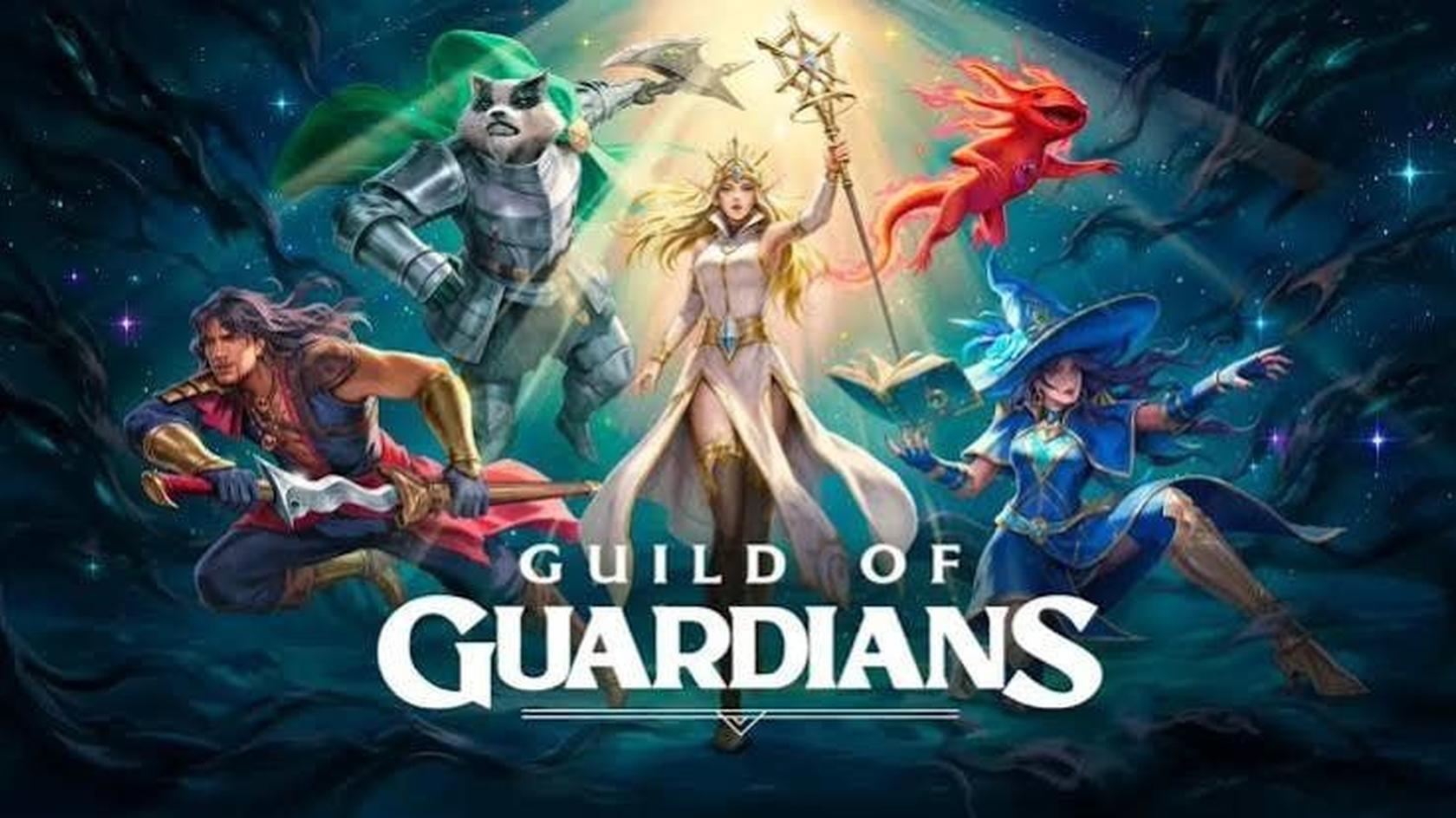
1. Gaming-linked NFT series: Immutable/Guild of Guardians
Source: ImmutableGuild of Guardians
Guild of Guardians is a well-known Web3 RPG that has developed its own on-chain economy, where in-game assets are issued as NFTs. Players can use them throughout gameplay, and even trade or earn them. The project has integrated with Immutable’s tooling and marketplaces, which grants real utility to the tokens and, ultimately, the player who owns them.
In Q2 2025, it ranked #1 and #4 in NFT trading volume. This was the first time a gaming NFT collection topped the quarterly charts. Guild of Guardians surpassed BAYC and CryptoPunks. Another first-of-its-kind displacement of blue-chip PFP collections by a gaming project.
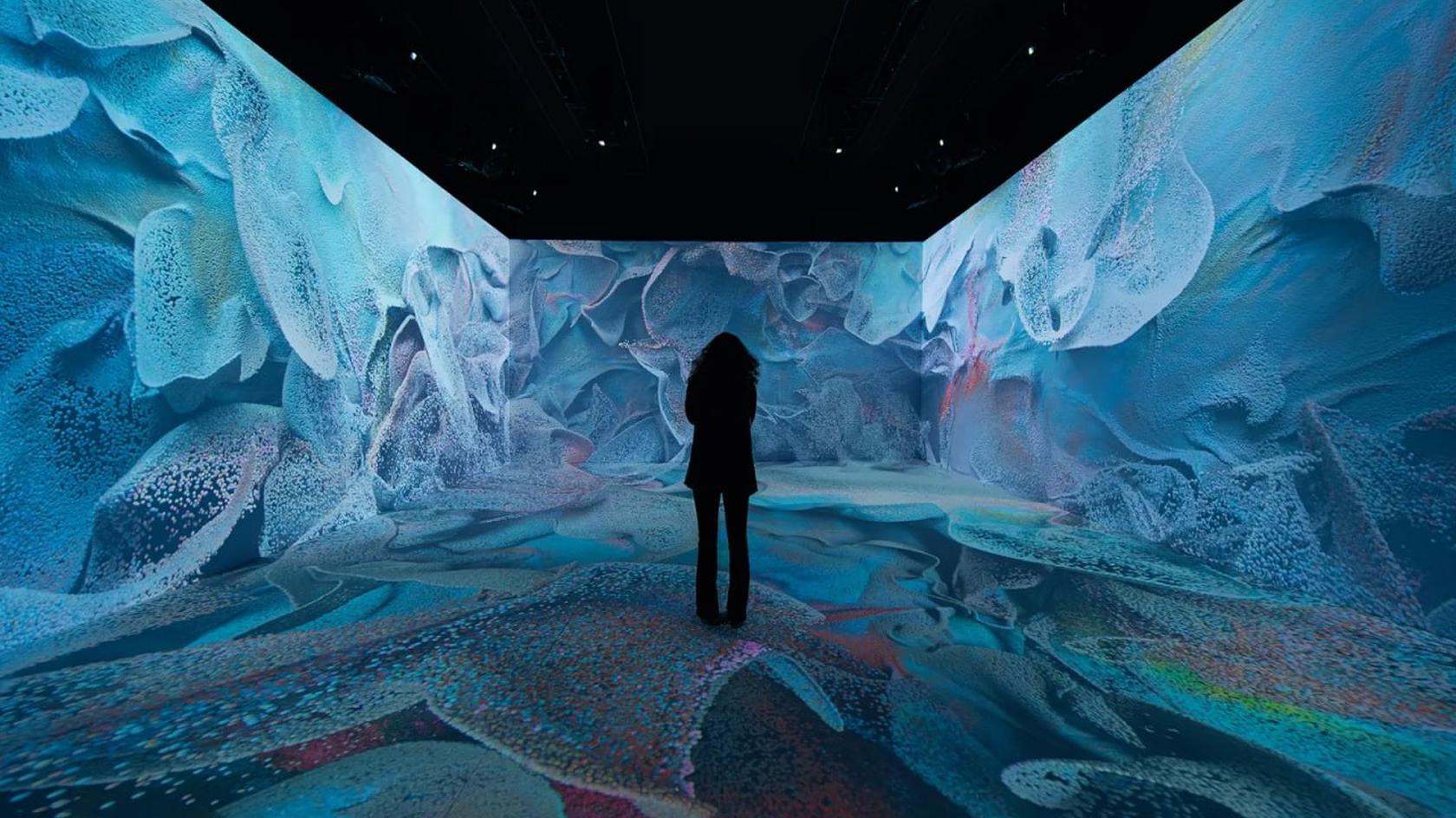
2. AI art collection: Refik Anadol’s Biome Lumina
Source: Biome Lumina by Refik Anadol
Refik Anadol is a pioneer of data-driven, AI-based art. The launch of Biome Lumina on May 13, 2025, serves as a perfect example of a successful AI art collection. The collection just had 1,000 artworks, all unique, and powered by the Large Nature Model (LNM), trained on 2.4 million ethically sourced images of flora, fungi, and fauna, plus ambisonic rainforest recordings and biosensor signals.
Each piece blended machine-generated visuals with the artist’s instructions. Owners of the art also received regular updates, allowing the artwork to evolve over time as the model received new data. Biome Lumina became a living art that also came with scarcity and innovative real-time updates that changed the artwork.
3. Real-World Asset-tied Project: RealT
RealT has been a visible, production-grade example of tokenized real estate for the longest time. It features fractional ownership that was achieved through NFTs that link to legal claims and rental income distributions.
Currently, the platform offers tokenized real estate on Ethereum and Gnosis Chain and fractional property ownership via ERC-20 tokens. Rental income is distributed weekly in USDC to token holders. The tokenized properties are located primarily in Detroit, Michigan. Platforms like this one show that NFTs can be tied to assets and act as much more than just collectibles. They can be income-generating instruments and possess a clear financial utility.
Conclusion
The state of the NFT sector in 2025 is quite different when compared to 2021, which suggests that it is not a repeat of the hype-powered frenzy, but something new and more mature.
This shift is supported by data, such as DappRadar’s Q2 2025 industry report, which noted that the NFT trading volume dropped, while sales and the number of traders seem to be on the rise. The report notes that “We’re no longer in the era where hype alone moves the charts. Today, users are seeking real value, whether in the form of AI agents performing useful tasks, NFTs tied to physical assets, or DeFi platforms offering sustainable yields.”
Brands and institutions are starting to experiment with NFTs, attracted by their ties to real utility, rather than hype. Moving forward, NFTs are likely to continue down this path and integrate into Web3 identity, metaverse, and potentially even traditional finance
In other words, NFTs are no longer speculative collectibles, but are instead seeing the beginnings of real, practical infrastructure.