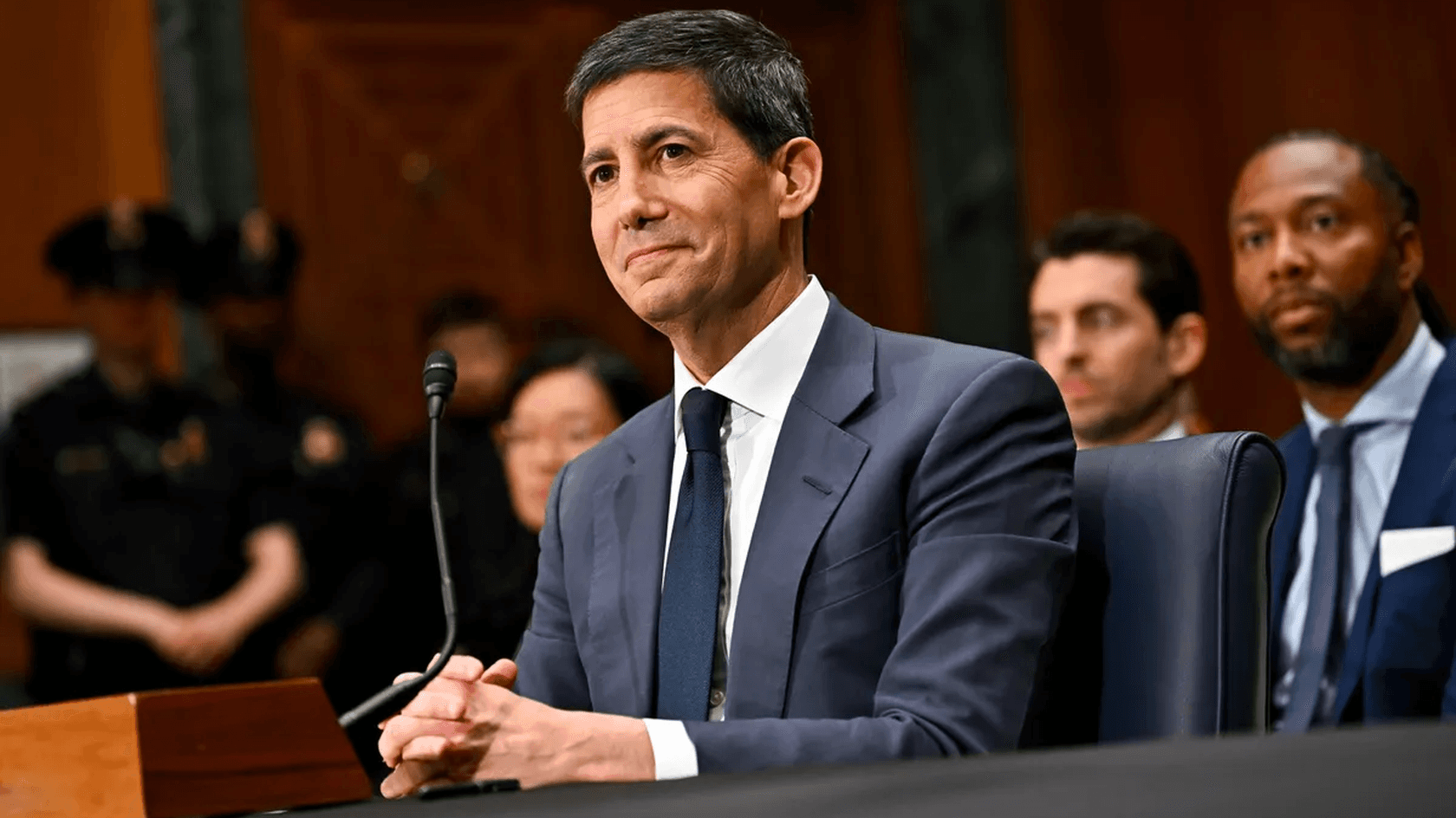
The US Senate has officially confirmed Kevin Warsh as the next Chairman of the Federal Reserve. According to the voting record, the motion passed with 54 votes in favor and 45 against. Warsh is set to take the helm on May 15, immediately following the conclusion of Jerome Powell’s term.
The transition is already being described by analysts as the most contentious and politicized in decades.
Traditions break
The confirmation highlighted a deep divide in American politics. The nine-vote margin is the slimmest in the history of Federal Reserve chair confirmations. For context, Janet Yellen received 56 votes in 2014, while Alan Greenspan was confirmed unanimously in 2000.
This time, John Fetterman was the only Democrat to cross party lines in support of Warsh. Most of his colleagues expressed fears that the new chair might yield to pressure from Donald Trump, who has consistently called for aggressive interest rate cuts regardless of prevailing economic data.
As an independent body, the Fed’s core mission is to maintain price stability and full employment without interference from the executive branch to prevent inflationary shocks.
Warsh strategy
Kevin Warsh has been a vocal critic of the Fed’s actions during the Biden administration, arguing that the regulator lost sight of its primary mandate. During his hearings, he vowed to maintain "strict independence." However, the pledge comes at a time when Trump has repeatedly lambasted Powell for failing to ease monetary policy quickly enough.
Warsh also intends to tackle the Fed’s massive balance sheet, which currently stands at $6,7 trillion. His logic suggests that lowering interest rates is a more effective and "fairer" tool for the public than inflating the balance sheet through large-scale asset purchases.
The shadow of investigations
Warsh’s path to the chairmanship was cleared only last month after the Department of Justice closed a criminal investigation into Jerome Powell. The outgoing chair had been under scrutiny for alleged irregularities regarding the renovation of the Fed’s headquarters, a move many Democrats viewed as a blatant attempt by the Trump administration to intimidate the central bank’s leadership.
In an unconventional move, Powell has decided to remain on the Fed’s Board of Governors after stepping down as chairman. While former chairs typically leave the system entirely, Powell stated that his presence is necessary to safeguard the Fed's autonomy against ongoing political pressure and legal threats.
This post is for informational purposes only and does not constitute advertising or investment advice. Please do your own research before making any decisions.