

On October 15, Tesla unveiled its new Roadster at SpaceX's test site in Texas. The presentation centered on stunts: the electric car drove up a curved ramp, lifted off the structure, and flipped in midair before landing. It then jumped over a row of other Tesla vehicles.
- markets
- news
- 52 min
Tesla’s Roadster on SpaceX Steroids
The new sports car flips in midair thanks to SpaceX technology. Musk promises production in 2028, but flying over traffic jams is still a long way off
0
nft.eu
- rating +20
- subscribers 90
Real life, baby https://t.co/3QEqn18wig
— Tesla (@Tesla) October 16, 2026
For its maneuvers, the Roadster uses gas thrusters built by Tesla and SpaceX engineers. They run on compressed air stored under high pressure. In other words, the car doesn't run on conventional rocket fuel: thrust comes from a blast of air from nozzles, while a system of fans under the floor keeps the car pressed to the ground. This mix of downforce and thrust is what made the ramp stunt and the aerial maneuvers possible.
What Tesla Promises Buyers
Tesla announced three versions of the Roadster. The base Performance stays a two-seater, Thrust adds gas thrusters for extra acceleration, and the single-seat Rocket can lift off the ground and maneuver in the air. All the flights and flips in the presentation were done by the Rocket.
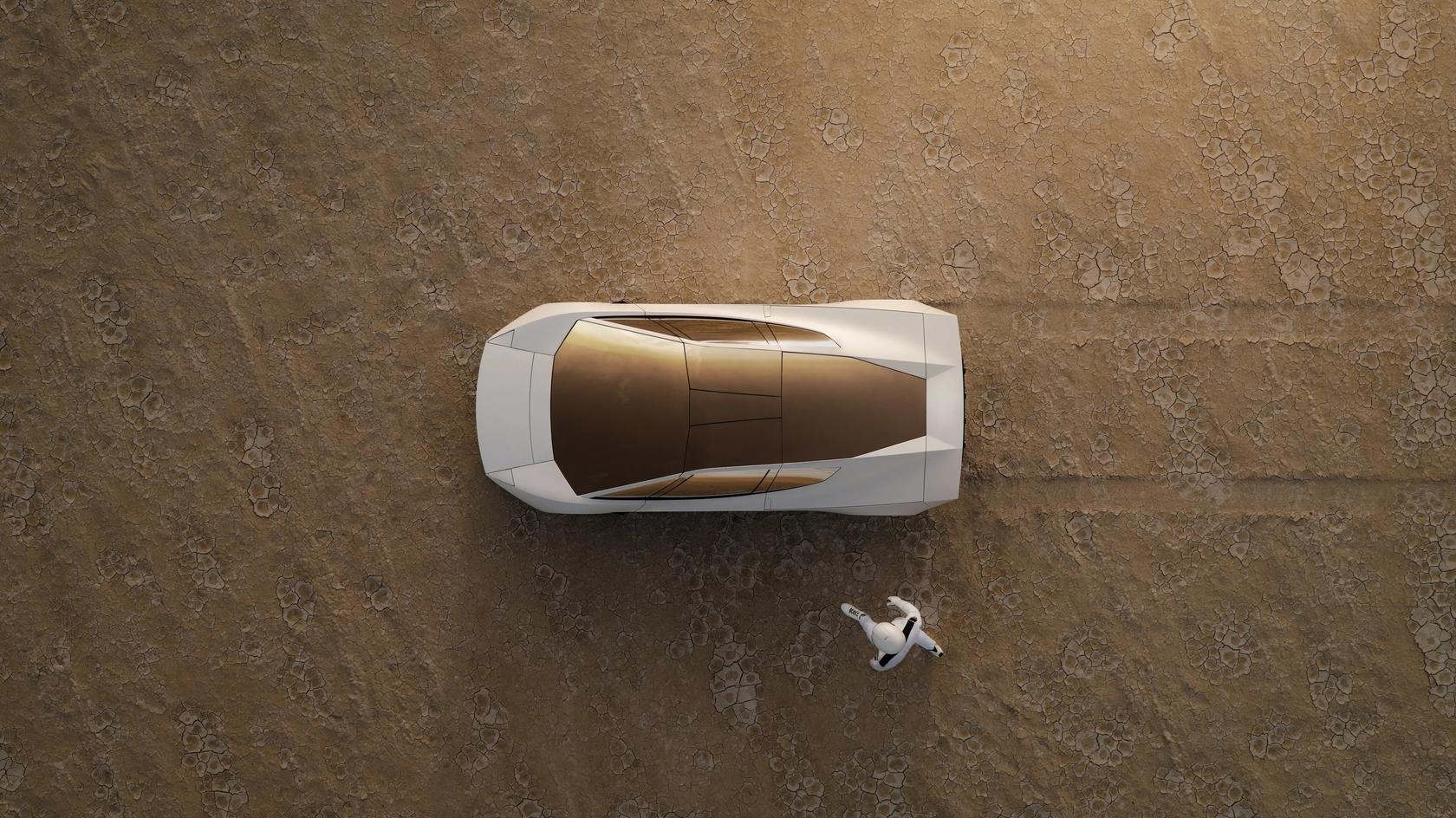
Tesla claims 0–60 mph (about 97 km/h) times of under 1.6 seconds for the Performance and under 0.59 seconds for the Rocket.
Road approval is trickier. Musk admitted the car may not be approved in every country. Tesla's website currently says the Rocket isn't approved for use on public roads at all, so being able to reserve a Roadster doesn't mean you'll be allowed to repeat the stunts from the presentation.
“I have to say, this isn't a car where everything is about safety, but the fun is 11 out of 10,” Musk said.
Tesla promises to start production in 2028. The second-generation Roadster was first shown in November 2017, with production originally promised for 2020, but the timeline has slipped repeatedly. So 2028 isn't a date to count on just yet.
You can already reserve the new models:
- Performance (base model): $50,000 deposit;
- Thrust (with rear thrusters): $250,000;
- Rocket (the one from the presentation, invitation only): price and deposit not yet announced.
Our Take
We're all impressed by the presentation, of course, but keep in mind that a brief liftoff and a midair flip isn't sustained flight over any meaningful distance. It's more an ad for the rocket thrust Elon uses in SpaceX's reusable modules than a real flying car.
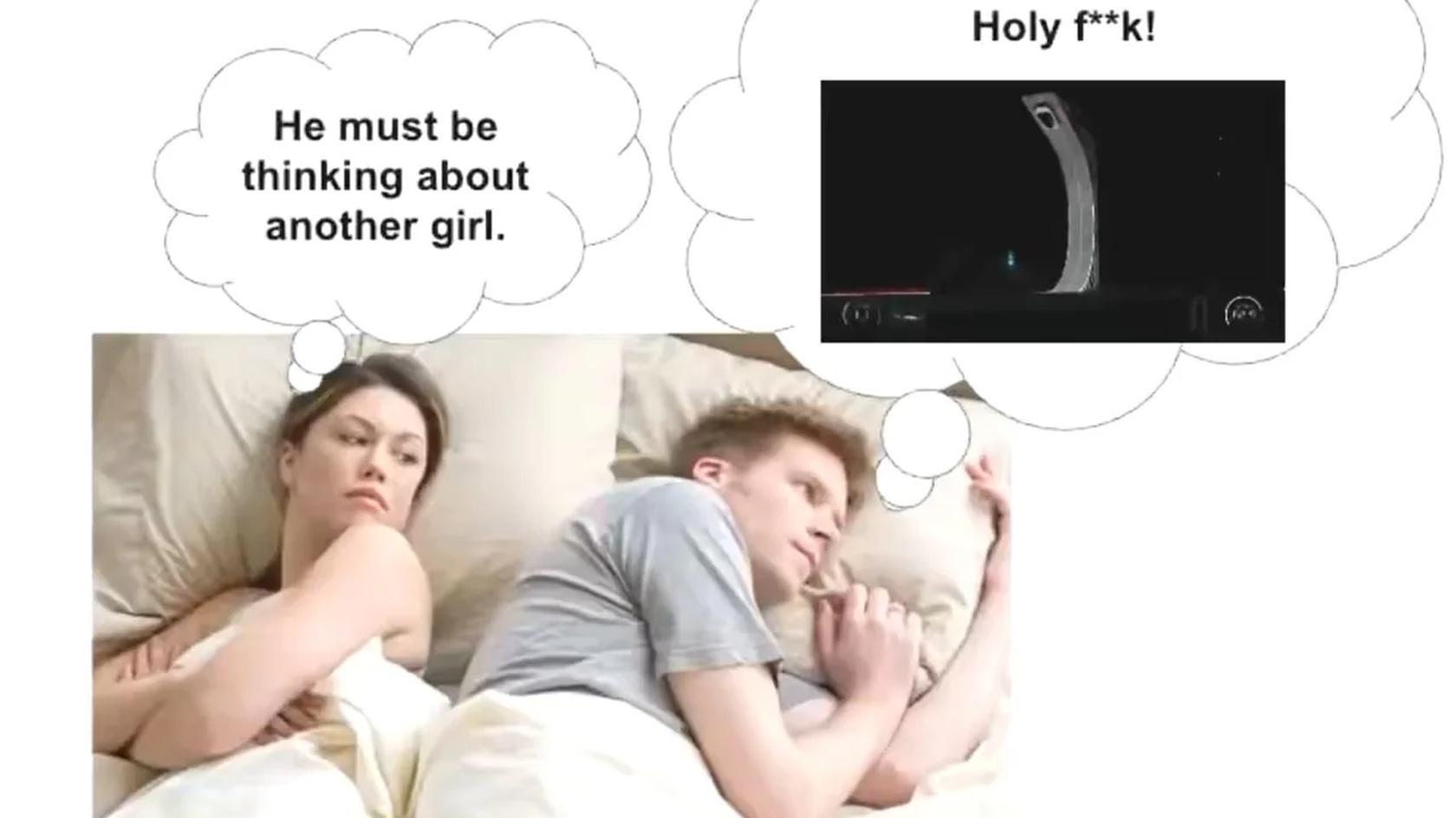
So far, the Roadster has little practical use: maybe jumping over obstacles or flying up to a sign when you can't read what's written at the top. That said, a lot could change by the time production starts in 2028.
In our view, a car powered by rocket thrust that pushes off the air or the ground isn't the most practical idea. We'd like to see something more futuristic, say, ion thrusters or electromagnetic technology that would give better control over a flying car. That would probably feel like a real breakthrough, not just short hops and a few seconds of hovering.
It's also hard not to remember that back in 2017, Elon Musk himself poked fun at flying cars: there's no infrastructure for them, they're very loud, they kick up strong winds, and mass-producing them makes no sense. So in effect, Musk has made a really cool ad for Tesla as a whole with his new product. The models look eye-catching, and the news has made a splash. The whole world will be talking about Tesla, SpaceX, and their new technology. That's definitely enough for hype. As everyday transport, it still falls short.
This post is for informational purposes only and does not constitute advertising or investment advice. Please do your own research before making any decisions.
0
Comments
0
Write a comment.