The International Monetary Fund released a new report analyzing the stablecoin market. The organization points out the risks of rapid cryptoization—replacing national currencies with digital dollar assets. Policymakers are particularly concerned about nations with weak monetary frameworks, high inflation, and low trust in local institutions.
Africa, the Middle East, and Latin America now lead in stablecoin trading volume relative to GDP. These are regions where historically high inflation drives people away from local fiat currencies.
“The ease of cross-border transfers pushes businesses and households to abandon local money. The choice is increasingly made in favor of stablecoins. Such dynamics undermine the ability of central banks to manage capital flows and fragment payment systems, increasing volatility,” the report states.
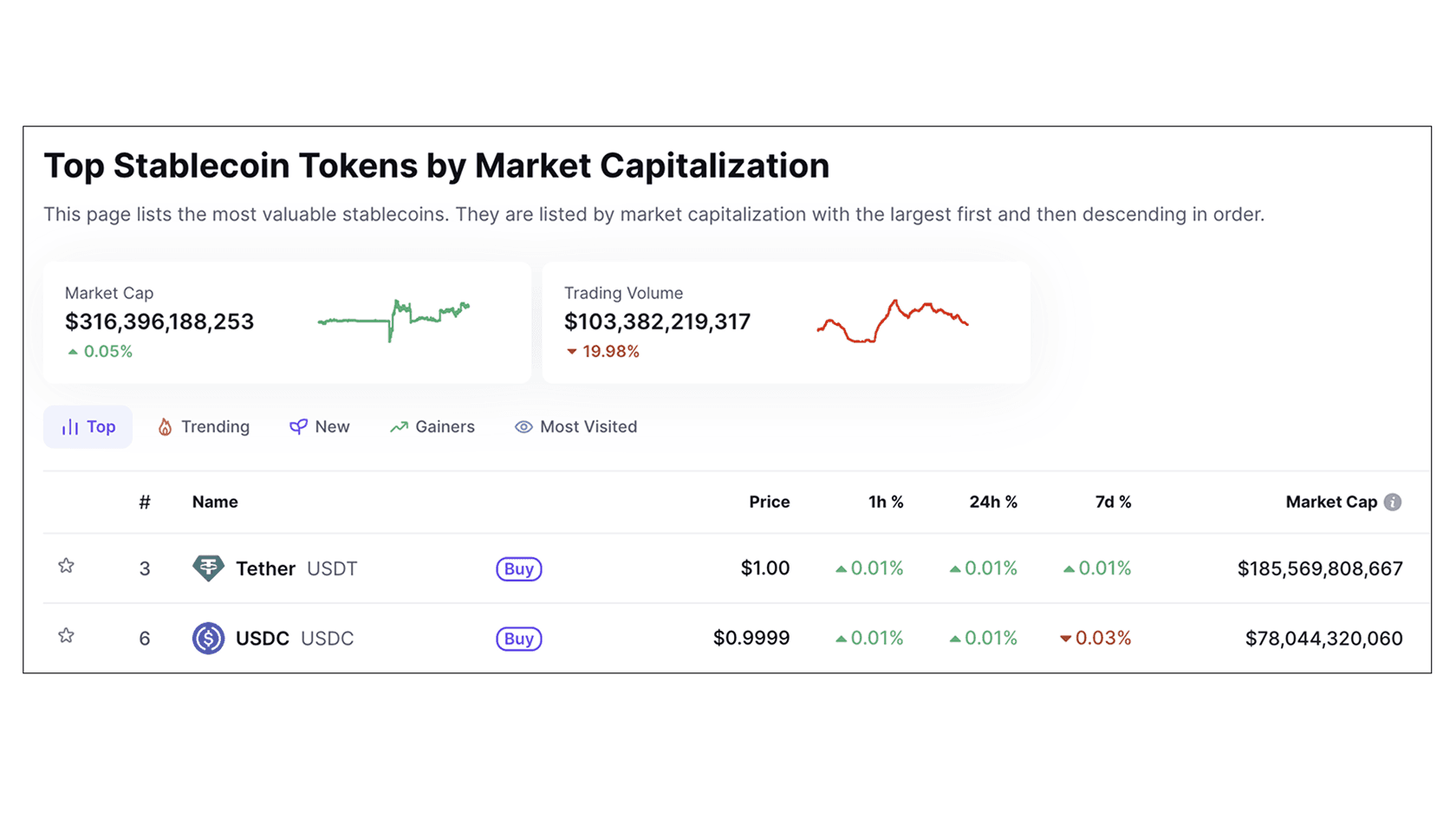
The market is exploding. Since 2023, the combined market cap of USDT and USDC has tripled to $260 B.
Crisis Scenarios
The main fear for regulators is a loss of faith in redemption rights. A run on tokens would force issuers to fire-sell reserve assets, sending shockwaves through traditional markets. Meanwhile, private and opaque transaction layers complicate crisis monitoring and skew macroeconomic data.
Oversight remains a patchwork. A comparative analysis of rules across Japan, the EU, the UK, and the U.S. reveals major gaps in issuer requirements and reserve custody. This lack of unified standards creates opportunities for regulatory arbitrage and weakens supervision.
However, the IMF acknowledges the upside. The report notes that stablecoins can boost competition and slash payment costs, bringing more people into the global financial fold.
Ultimately, the Fund admits this technology is here to stay. Its impact on the global economy will depend on how well nations coordinate their response.
This post is for informational purposes only and does not constitute advertising or investment advice. Please do your own research before making any decisions.