The crypto market is poised to exit its current bearish cycle and transition toward a growth phase throughout 2026. This is the primary takeaway from the latest report by Bernstein analysts.
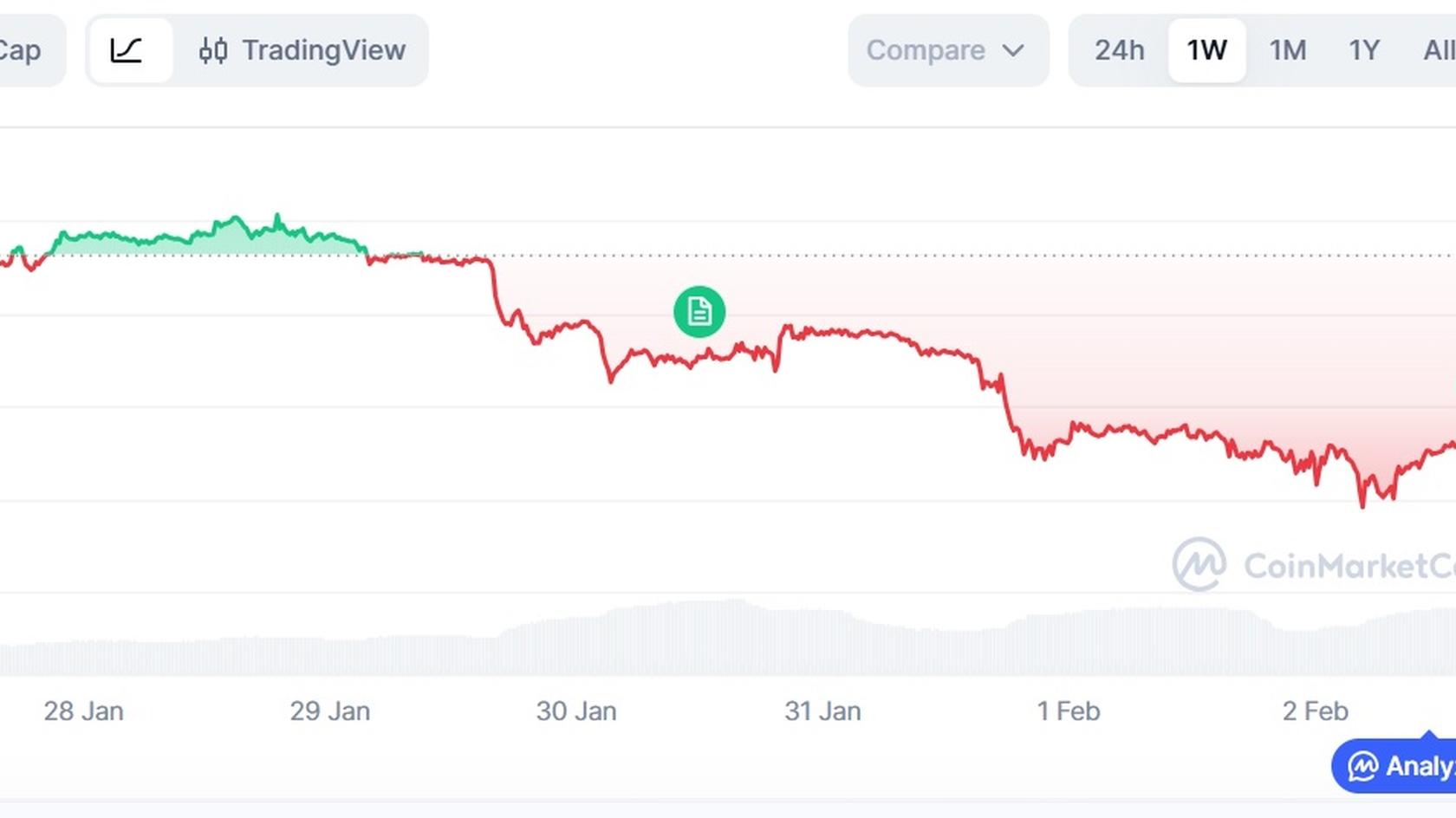
According to the firm, the ongoing drawdown — which has dragged Bitcoin nearly 38% below its recent highs — is merely temporary. Analysts expect the asset to find its floor in the first half of the year before establishing a robust foundation for a fresh rally.
On February 2, the asset traded around $78,500. However, the research team led by Gautam Chhugani suggests that prices could slide as low as $60,000. Experts believe this level aligns with the peak values of the previous cycle and should serve as a formidable support zone.
The Golden Vortex
The current sluggishness of “digital gold” stands in sharp contrast to the aggressive bullion purchases by central banks. Regulators in China and India have been rampantly scaling up their stockpiles, pushing gold’s share of global reserves to 29% by late 2025.
As a result, Bitcoin’s market capitalization has withered to just 4% of gold’s market cap, hitting a two-year low. Despite this relative weakness, Bernstein classifies the past two years as an “institutional cycle.” Total assets under management in spot Bitcoin ETFs have reached a massive $165B.
Key Drivers
Analysts emphasize that a major shift in US policy could serve as the most vital catalyst for the next leg up.
Key factors include:
- The potential establishment of a Strategic Bitcoin Reserve built on seized government assets;
- Leadership changes at the Federal Reserve, including the possible appointment of Kevin Warsh as the central bank’s chair.
Despite the price action, the underlying market structure remains surprisingly resilient. Experts note that ETF outflows have been negligible compared to the total volume of accumulated holdings.
Miners, meanwhile, are showing no signs of panic selling. Instead, they are actively diversifying their revenue streams by pivoting toward data centers for the AI niche.
Corporate giants like Strategy continue to capitalize on price dips. On February 2, Michael Saylor’s company added another 855 BTC to its treasury.
Since the beginning of the year, the firm has acquired roughly $3.8B worth of Bitcoin, largely ignoring the temporary portfolio dip below its cost basis.
Bernstein is convinced that 2026 will lay the groundwork for the most consequential cycle in the history of the industry, moving far beyond traditional four-year patterns.
Read Also:
This post is for informational purposes only and does not constitute advertising or investment advice. Please do your own research before making any decisions.