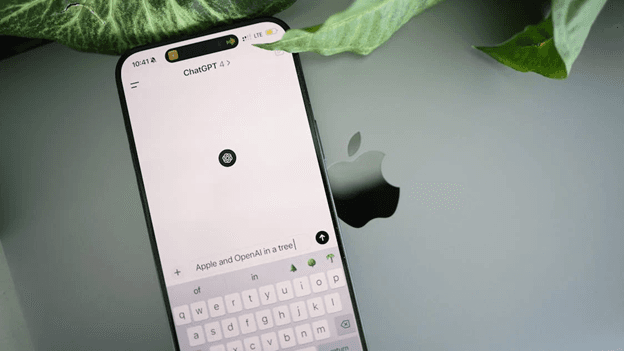
Ever since AI tools emerged and became mainstream, content creators have been using them to increase the scale and speed at which they produce new content. This made many faster, leaving them with a feeling of being more productive, and it allowed one person to take on the tasks that previously required multiple people, if not an entire team, such as running blogs, channels, courses, and more.
However, AI comes as a double-edged sword, as faster production also means exposing yourself to higher risk. Specifically, the faster you produce, the easier it gets for others to copy your work, alter it slightly, and claim it as their own.
This is a trap that many creators have walked in already, sitting on valuable intellectual property without even realizing it. Essentially, any and all content you produce generates traffic and revenue. But, without clear ownership, licensing terms, and legal protection behind it all. This may bring you and your brand greater visibility, but it doesn’t mean that you are in control of your content.
This is why the concept of Creator Legal Shield emerged, becoming a system that is not based on a single document or registration, but more of a layered approach that aims to combine licensing awareness with ownership clarity, compliance, and takedown readiness. In other words, it is a type of AI-generated content copyright protection, and when done right, it allows AI-powered creators to grow fast while protecting their work.
What is an AI Content Empire and Why It Needs Protection?
Source: Pexels
AI has become a commonly used tool in content creation, and it is unlikely to go away. On the contrary, it has already led to the creation of AI content empires, which are essentially any operations where a creator uses AI tools to produce and monetize content, often across multiple formats.
That can mean anything, from AI-assisted blogs and videos to newsletters, courses, podcasts, even art and full media brands that are now AI-reliant. The format is not what really matters here, but the system behind it, as it is used for repeatable production, distribution, and eventually, monetization.
This has changed the way content is being viewed - it is no longer just “posts,” but a compounding asset. What that means is that each piece of content you publish contributes to increasing traffic, adding more data, and expanding your brand. If done right, it brings back revenue, and given enough time, even something that may have started as a hobby or a side project can evolve into a business.
However, the problem is that visibility without ownership is fragile. It doesn’t help that AI-generated content copyright laws are vague and new, if they are there at all, which largely depends on the jurisdiction. It is not unusual these days for creators to have their content copied and repurposed, with some even having to face issues like automated takedowns and disputes over who owns what if the content scales before being protected. This is why even AI content should be treated as digital infrastructure.
AI Intellectual Property
To understand AI intellectual property (IP), it is important to first establish the difference between AI-generated and AI-assisted content. Essentially, content that is fully AI-generated - meaning that it is created without meaningful human input - cannot be copyrighted, meaning that there is no AI content protection for publishers if AI is doing all the work.
AI-assisted content, however, is a different matter, as this requires active human involvement. Basically, you make creative decisions, edit and curate it, or combine outputs to create something new. The distinction may seem minor, but it is enough to allow for protection, as human authorship is present.
This is why many publish composite works and compilations, as this comes with human involvement and enables the creator or publisher to protect the content.
Another thing that creators must understand is the difference between legal tools. Specifically, copyright can protect original expression, while trademarks protect brand identifiers, like logos, names, slogans, and the like. Then, there are trade secrets, which are a separate category used to protect companies’ internal processes, datasets, prompt systems, workflows, and so on.
Can You Legally Copyright Content Generated by AI?
Unfortunately, the matter of copyrighting content generated by AI is complex, and not really black-and-white. In most jurisdictions, content that was fully generated by AI cannot be copyrighted because human authorship is a necessary component for it to be capable of being copyrighted. This creates AI-generated content copyright issues for creators who rely on AI’s automation in its entirety.
However, if the content is AI-assisted, with meaningful human participation, that is a key factor that allows you to legally copyright it. Again, the exact terms differ from one jurisdiction to the next, but this is a general idea regarding what can and can’t be copyrighted.
Licensing (The Risk Most Creators Ignore)
Source: Pexels
Learning to navigate the world of AI-generated content means understanding its nuances, but also pitfalls, and one of the most common ones, where AI creators often quietly give away leverage, is licensing.
Every AI tool out there has its own terms of service (ToS), and in there, it is clearly defined who owns the content that the tool produces. This is also where you can learn whether commercial use of the content is allowed, and even how broadly platforms are allowed to reuse your content.
In some cases, licenses are non-exclusive, which means that your work can be legally reused by others who use the same tool. Sometimes, AI tools will use your content to train the AI further, meaning that you are effectively assisting others who come after you, and could even be competitors.
There are other concerns to keep in mind, such as brand collaborations. Usage terms are often unclear, and that might allow others to use your content because they are partnered with the company that has developed the tool. This is why it is important to read the terms when approaching an AI tool, instead of just assuming that you get to be the sole owner of the produced content, even if you use a premium plan. Instead, learn how to read AI platform terms strategically and avoid common licensing mistakes that other creators make.
Platform Compliance & Distribution Safety
Another thing to consider is how AI content is treated on various platforms. For example, platforms like YouTube, TikTok, Amazon KDP, marketplaces, and even social platforms treat AI content as a compliance category nowadays.
It is no longer a novelty; now disclosure requirements matter, meaning that you must label the content as AI-assisted or synthetic, or it could be taken down automatically and demonetized. This will also reduce your reach and damage your reputation and the way the algorithm promotes you.
These are the sort of modern risks that scale with volume, and the more content you produce, the more the chance of a false positive grows. The same is true of potential copyright flags or policy mismatches across different regions.
Another very serious and real threat is the shadow ban. Unlike regular bans, you may not be removed from the platform, but your content distribution gets suppressed, and the platforms do not even notify you about it, or tell you why.
To avoid these and similar problems, it is important to have a strong strategy, and that starts with picking your approach. For example, a platform-first approach is better for boosting your reach, but then you have to deal with dependency and policy volatility. Alternatively, there is the ownership-first approach, which prioritizes websites and email lists, giving you greater control over distribution, while platforms are only used as sources of traffic, rather than foundations of it.
Legal Templates Every AI Creator Should Have
Source: Pexels
As you start using more and more AI content, you will need to start thinking about establishing legal templates, as they can help reduce disputes and save you some legal headaches. More than anything, they protect ownership of your content, which is why it is good to have them in place before problems start to pile up.
Creators should at least start using content ownership clauses as soon as possible, as this will grant them creator rights. If they work with others, such as editors or co-creators, collaboration agreements might also be something worth looking into. It will help with splitting the earnings, provide clear ownership of the content, and define each partner’s contribution to its creation.
Then, there are licensing templates which specify how content can be reused or changed, or even sold and resold.
AI disclosure language is also important as it can help you stay within platform and regulatory rules and requirements, while brand deal contracts serve to address AI usage and exclusivity. Just keep in mind that templates can reduce legal risk, but they are not good enough to replace a legal review.
Important Registration Processes
The registration process is important for creators who want to establish boundaries and define rights, ownership, and the like.
The first step is copyright registration, which will be the most valuable when your content starts making money or becomes the core intellectual property of your business. This matters because registration will strengthen your rights and help you deal with any claims.
The next step is trademark protection, which is where you focus on names, logos, and other things that are closely tied to your brand. That means you don’t protect individual posts, but your brand identifiers, instead.
After that, the third step involved proof-of-authorship systems, such as source files, which must be signed for legitimacy. Beyond that, you can prove authorship by providing different early versions and concepts - anything that can show different steps that led you to the final product.
After that comes step four, which is timestamping and documentation. Essentially, that revolves around using a third-party service or notarized records to show when exactly you created and published your content.
Finally, the fifth step is jurisdiction considerations, which is important because copyright and trademark rules differ from country to country. If you wish to be an international creator, you need to protect your content in multiple markets.
Dispute Resolution & Takedown Readiness
One thing to note is that, no matter how careful you are and what precautions you take, sooner or later, disputes will start to emerge. This is something that cannot be avoided, but that doesn’t necessarily mean major trouble, as long as you are prepared for them.
Start by understanding how to issue DMCA notices to request removal of copied or stolen content, and how to deal with counter-notices if platforms decide to fight back and challenge your claims.
Next, be ready for impersonations and content theft, as both happen regularly for anyone who is even remotely successful. Bad actors will not hesitate to repost AI content using fake accounts in an attempt to get a piece of your traffic and profits, so quick reactions are the best you can do. Be ready to provide proof of ownership and prove who you are and that you own the content in question.
Also, be ready for potential defamation scenarios, especially if altered material damages your reputation or attributes false statements to you or your business. However, with proper documentation, registrations, and authorship records, this can also be fairly easy to deal with.
But, if things escalate and matters become more complex, do not hesitate to seek legal counsel, especially when it comes to disputes that involve revenue loss, potential international violations, or if you have to deal with the same entities repeatedly.
Building a Sustainable Legal Shield
To protect themselves from all of the previously mentioned issues, creators need to build a sustainable legal shield. Think of it as layers of protection that consist of various things, like tools, contracts, registrations, and the like.
Ultimately, your goal should always be to protect yourself by preventing legal issues as much as possible, but also develop reactive strategies for issues that slip past your protections.
While your peace of mind is important, legal clarity can also support growth, new partnerships, as well as clean exits, all of which you can enable by making your ownership of your content unquestionable.
Conclusion
AI is changing the world, and while new possibilities are intriguing, some of them come with their own issues. When it comes to content creators, AI can help them do more work faster, and on their own. However, this also comes with increased risk if the content they create with it is unprotected.
Ultimately, it is important to remember that the rules surrounding AI and content created using AI are still unclear and evolving. Things will get easier as regulations catch up, although this might take some time. In the meantime, creators should take steps to protect themselves and their work, as simply waiting for clarity is not a good strategy. The laws will catch up, but in the meantime, you still need to make your work truly yours by establishing strong legal foundations early.