Stablecoins settled transactions worth $40 trillion in 2025, which is greater than that of Visa and Mastercard combined. The huge surge in volume did not happen overnight. People now trust these ‘digital dollars.’ For the people, a stablecoin is safe and stable, and a perfect hedge against the volatility and uncertainty of the crypto market.
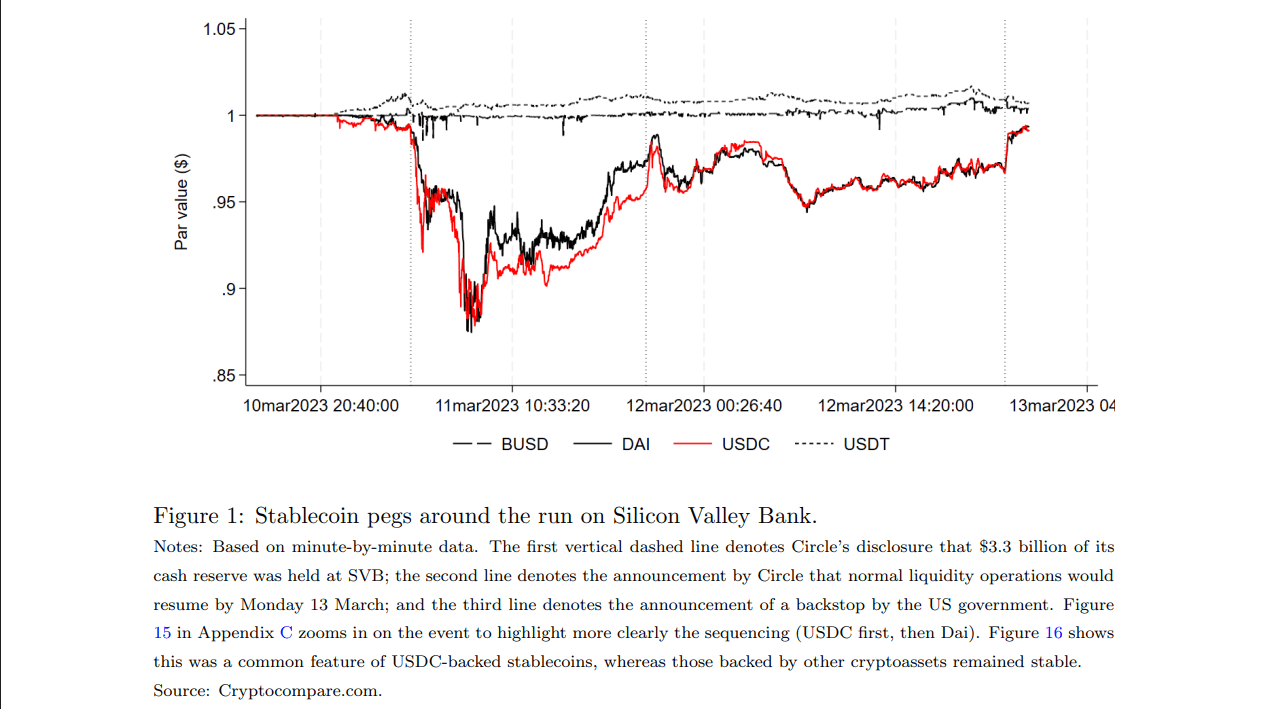
However, multiple stablecoins depegged in November 2025, led by DeFi exploits. Before that, Circle’s USDC suffered a major depeg triggered by the Silicon Valley Bank collapse in 2023.
Source: BIS Report
Tether keeps getting accused of a lack of transparency in its reserve attestations, and Terra-UST’s fall, resulting in the 2022 crypto market death spiral, is still fresh in our memories.
Yet, why do most investors fail to or skip to verify stablecoins before holding them for payments, remittances, or trading?
Investors have a common misconception that a $1 stablecoin token is equal to $1. That’s not always the case.
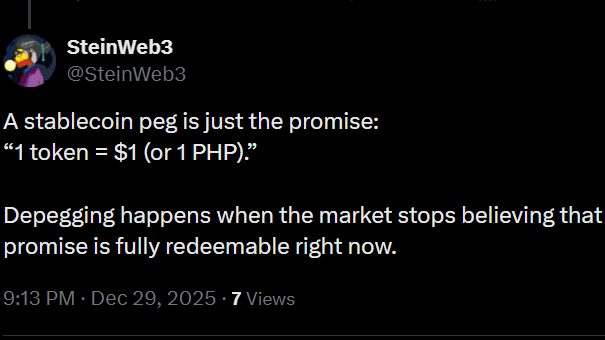
Not all stablecoins are built the same. If we look at their fundamentals, stablecoins ‘promise’ to be always worth a dollar, and ‘deliver par convertibility to the sovereign unit of account.’ But this par convertibility is subject to:
The perceived quality and volatility of reserves
Type of reserve assets
Disclosure and attestation of reserves/collateral
Fast redemptions/liquidations
Arbitrage incentives
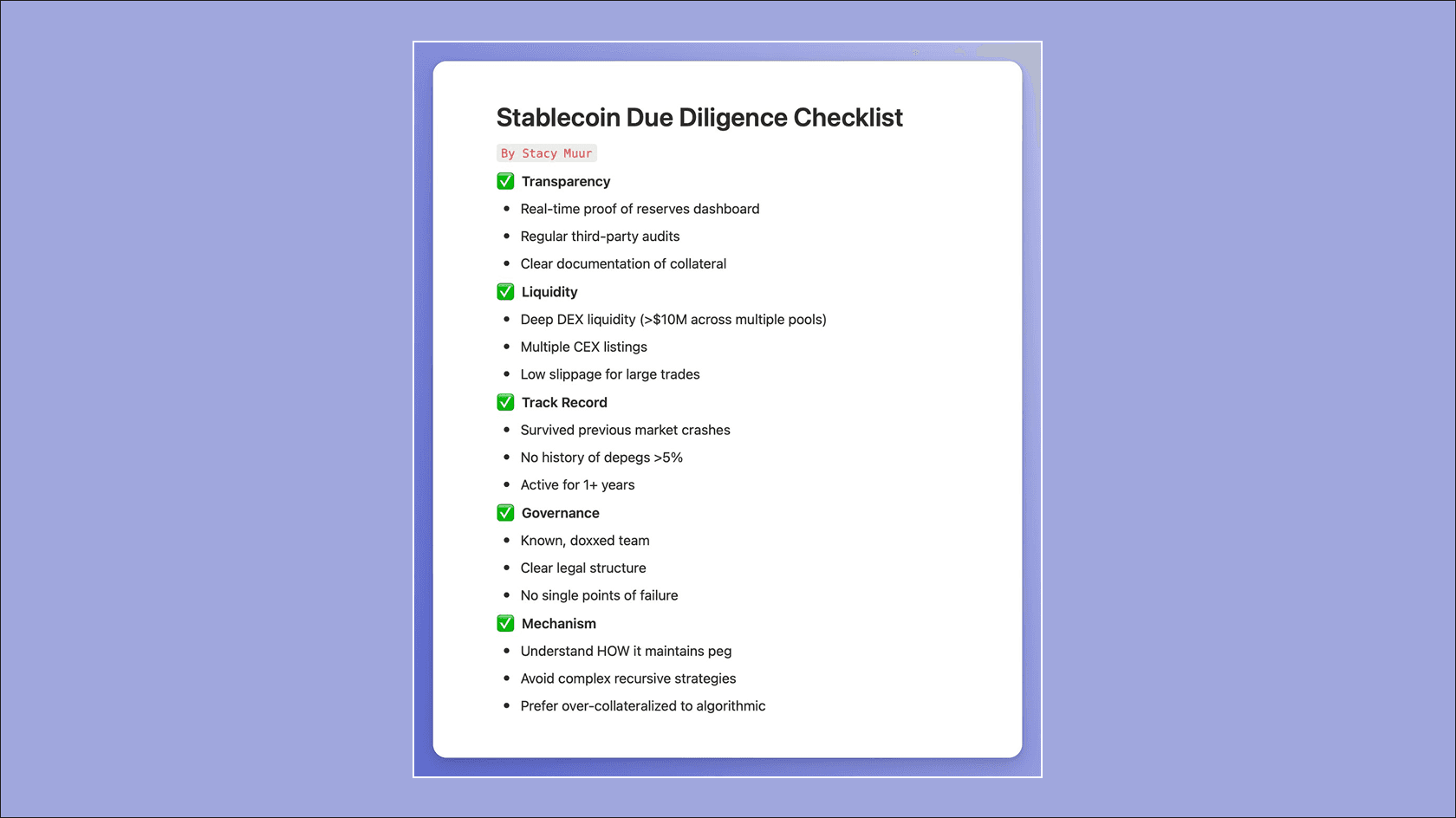
Stablecoins are ‘pegs’ and pegs can break. But how can you make sure the stablecoin you are investing in keeps up with its promise? This article discusses a 15-minute stablecoin audit that you can do to check the resilience and legitimacy of your stablecoin investment.
What a 15-Minute Audit Can and Cannot Do
Before we get into the discussion, a small disclaimer: This guide is not a forensic accounting exercise but a pragmatic, rapid check for you to spot obvious red flags and other risk aspects in the stablecoin of your choice.
At the individual level, investors have limited resources, time, and expertise to handle a stablecoin audit. As such, this guide helps you make the best use of the available information or extract it from tools.
With a 15-minute stablecoin audit, you can confirm the following:
Public disclosure by the issuer
Obvious red flags in the stablecoin security audit
Recent attestations or on-chain proofs
Whether the coin has liquid reserves
With these, you can decide whether the stablecoin is safe enough to find a permanent allocation in your portfolio.
However, this quick audit is no substitute for an institutional audit, nor can it guarantee redemption in times of market instability or systemic stress. It cannot reveal any counterparty risks buried deep inside off-balance sheet contracts. That’s the job institutional audit does best.
You can use the risk assessment to detect common issues stablecoins face today, including a lack of transparency, poor reserve composition and quality, concentration of reserves in weak banks, and whether the peg model has an appropriate backstop.
This quick test can be the triage tool for you to sort the good from the bad. If the stablecoin fails, it fails. If it doesn’t, you can put it to further detailed tests.
The Three Pillars of a Quick Stablecoin Audit
A short stablecoin audit is built on three pillars:
Transparency
Backing quality
Liquidity & redemption
Transparency of information
A stablecoin issuer should be transparent and back its claims with proof. Doing this reduces counterparty risks, as the public can verify those claims.
The audit checks if the issuer publishes regular proof-of-reserves. The audit makes sure it is written in an understandable language and signed by a credible third-party verification.
Backing quality over headline numbers
The quality of the reserves determines three things:
How liquid the reserves are
How quickly the public can redeem, and
How the issuer can sell without suffering any losses.
Backing quality acts as an adhesive to prevent the peg from dislocating itself. The audit checks the make up of the reserve assets. Whether it consists of cash or short-term treasuries. Or if the reserves are made up of weaker, outdated bonds or complex structured products.
Liquidity and redemption mechanics
A good redemption mechanism is a practical test for convertibility. The test helps to assess whether the stablecoin can be redeemed at par. It also checks if there are minimum requirements and KYC hurdles that make at-par redemptions impractical. The test also analyzes if the stablecoin depends on on-chain mint and burn or off-chain settlement.
Which Stablecoin Collateral Types Behave Well in Stress?
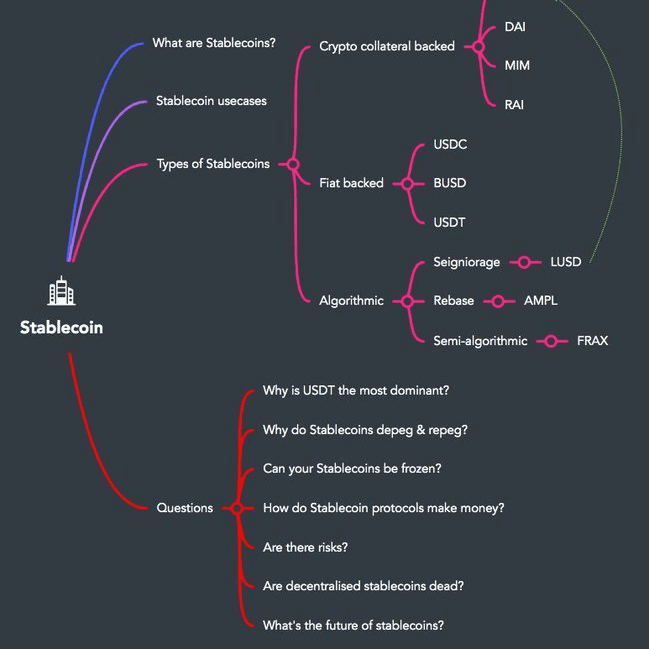
Stablecoins are of different types, but only certain kinds of tokens behave well during a stress test:
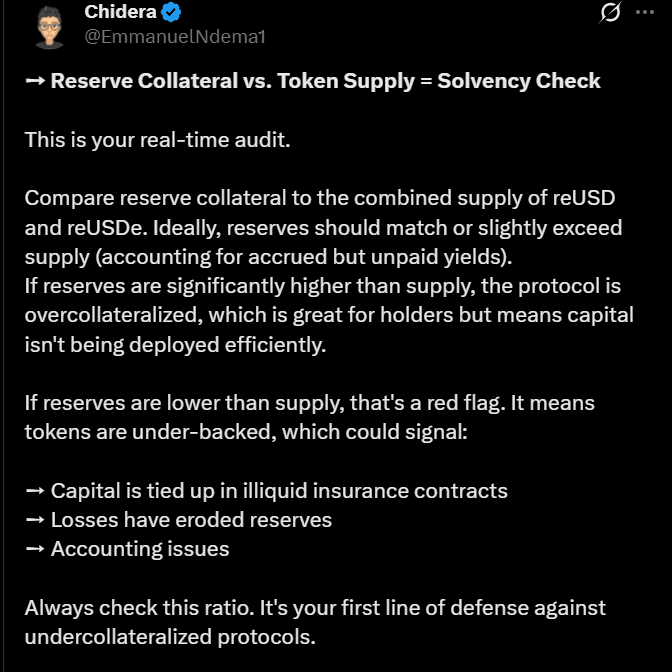
Source: X
Fiat-backed stablecoins
Backing: These stablecoins have the reserve backing of bank deposits, cash equivalents, and short-term government debt.
Strength: Their strength lies in conceptual simplicity. For each unit issued, the issuer must maintain one unit of high-quality reserve.
Risk: Major risk comes from custodians, centralized custody, and reserve composition. If the bank where the reserve sits is small or unregulated, single-point-of-failure risks can emerge. Low-quality or illiquid reserves can also lead to a liquidity crisis.
Example: Tether’s USDT, Circle’s USDC, etc.
Crypto-backed stablecoins
Backing: These are crypto-collateralized stablecoins that hold crypto as collateral within smart contracts. They require collateral backing of over 100% to justify reserve requirements and absurd price swings.
Strength: The reserve verification can be done easily as on-chain verification of crypto assets can be done.
Risk: Crypto market fluctuations can impact prices, leading to undercollateralization. Oracle failures and liquidation cascade risks are other vulnerabilities these stablecins suffer from.
Example: Maker’s DAI, Ethena’s USDe, etc.
Algorithmic stablecoin
Backing: Algorithmic stablecoins don’t rely on 1:1 reserves for peg stability. Rather, these stablecoins use code-based mechanisms and market incentives, like paired tokens, rebasing, etc.
Strength: They rely least on traditional reserves and bring capital efficiency.
Risk: They are the most fragile in severe market stress, as their peg would collapse when the investors lose confidence in the token. These stablecoins are most prone to redemption, liquidity, and systemic risks.
Example: Terra UST depeg is among the worst historical failures where the algorithmic stablecoin lost market confidence, depegged, and went defunct, taking down with it the entire crypto market.
Algorithmic stables fall in the highest-risk category, and your portfolio should have limited or no exposure to them. For portfolio risk management, fiat-backed/treasury-backed stablecoins are the default category; crypto-backed stablecoins are good for all your DeFi dealings, where on-chain verifiability is needed.
Reserve Verification: What You’re Actually Checking
Your stablecoin audit should be able to answer these three questions around reserve verification:
What counts as ‘reserves’?
When checking, be clear about what ‘reserves’ mean. Count only those reserves as assets that can be realized quickly without significant deductions, if the number of redemptions increases.
Source: X
Here is a list of assets in decreasing order of their liquidity:
Cash
Short-term government securities
High-quality commercial paper
Longer-dated corporate bonds
Private loans
Complex derivatives
The more liquid the reserves are, the better redemption value your stablecoin will buy you.
Where are the reserves held?
This question lets you determine the quality of the assets in question. Conduct due diligence and find out whether the reserves are sitting next to the issuer’s operating funds. If that’s the case, the lack of differentiation can be a structural risk. In case of an insolvency, the creditors can claim the reserves if they aren’t kept ring-fenced.
Determine the issuer’s transparency by the fact that they keep the reserves segregated, diversified, and auditable.
Can the funds be verified on-chain, or are they off-chain reserves?
If on-chain funds are involved, begin by inspecting contract addresses, collateral vault, and the collateralisation ratio. If the issuer makes smart contract audits and collateral dashboards readily available, it should be a big green flag in your due diligence checklist.
Source: X
Off-chain reserves call for granular attestations or provision for real-time proof of reserves. Prefer Chainlink-style attestations over quarterly snapshots. (Sadly, even the biggest of the stablecoin issuers call quarterly attestations crypto disclosure standards).
How to Read an Attestation Without Being an Accountant
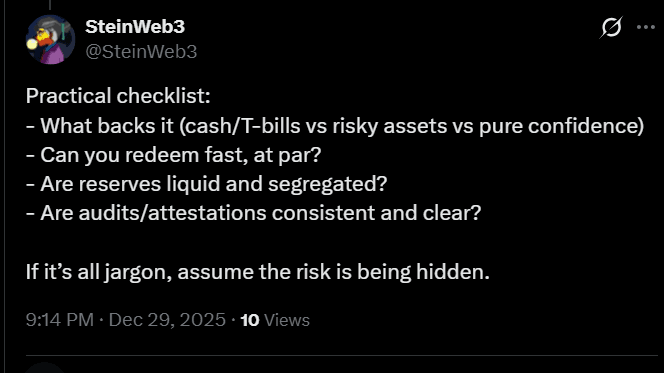
Your data verification process should involve reading the attestation or audit report, even if the audit is brief. A few markers you can look for in an audit/attestation report to analyse how the stablecoin will behave in a stress scenario:
Data and Scope: The more recent an attestation is, the more certain it is that it will pass the liquidity stress test. An attestation published the day before is more valuable than one published three months ago. The report should specifically state which tokens and liabilities were considered. Ensure the report considers treasury and insider-held tokens. Another point to note: issuance history. The circulating supply should match the reserves for true financial transparency.
Check the certifier: For complete financial due diligence, check who the certifier is, i.e., which firm does the attestation for the stablecoin. Things you must note:
Whether the firm is a recognised accounting firm
What kind of engagement do the issuer and accounting firm have
Whether the attestation merely comprises some lawyer letters or a full Big Four audit.
The latter financial audit is highly credible. Any audit from an obscure firm is questionable and cannot be considered a source of truth. For instance, Circle’s USDC gets its reserves attested by Deloitte, the Big Four. However, Tether’s USDT is still struggling ot find a big name for its reserve audits.
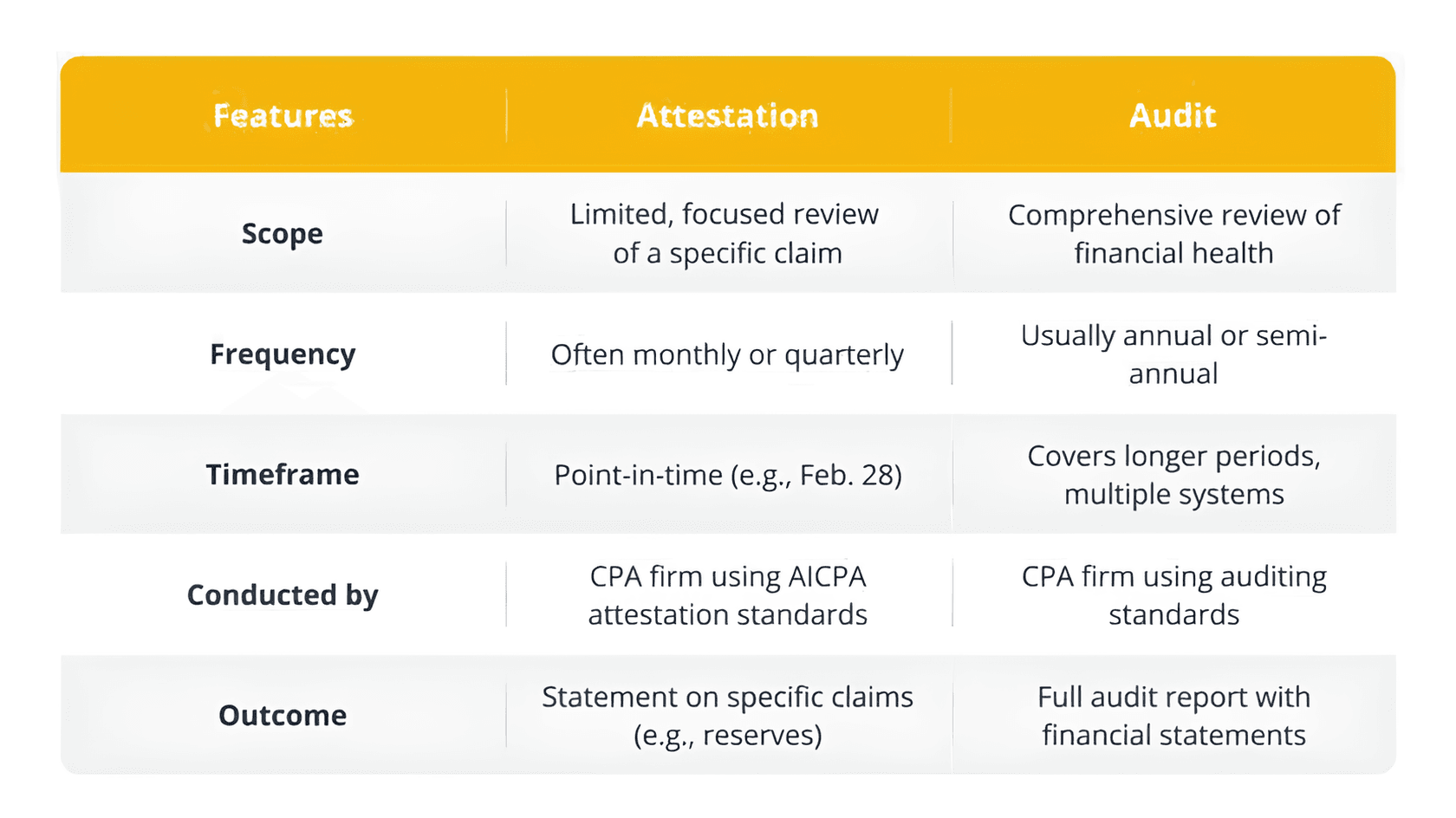
Attestation vs Audit: An attestation has a narrower scope than an audit. Attestation is a snapshot of the numbers that the stablecoin issuer wants the firm to count. Attestation is more like the firm saying, ‘We counted X on this date.’
Off-chain reserves call for granular attestations or provision for real-time proof of reserves. Prefer Chainlink-style attestations over quarterly snapshots. (Sadly, even the biggest of the stablecoin issuers call quarterly attestations crypto disclosure standards)
A transparent attestation report is the bare minimum effort any stablecoin issuer should make to show the coin’s financial resilience.
Any stablecoin attestation or audit needs to follow regulatory compliance, as per the laws relevant to the particular jurisdiction. Any user will trust a stablecoin with minimum jurisdictional risk, i.e., a stablecoin following clear rules and regulatory oversight, and having optimum customer protections in place, is easier to trust than the opaque ones.
New regulatory regimes such as the EU’s MiCA, the US’s GENIUS Act, and similar frameworks require stablecoins to follow secure custody practices, transparent reserves, and stronger redemption rights. The US now requires stablecoins to have 1:1 Reserves in high-quality liquid assets.
Next, look for any regulatory disputes and enforcement history. Other red flags include past penalties, consent decrees, high-profile settlements, or fines over misstatements. These issues are clear risk indicators of past malpractices and disclosure problems that could recur in the future.
Lastly, check the bank counterparties. The availability of the reserve funds becomes contingent upon the solvency of the bank in which the reserves are held. The SVB collapse-USDC depeg incident in 2023 clearly showed how a single bank’s failure can have a ripple effect on stablecoin pegs.
Step
What to Check
Time Estimate
Pass / Warning / Fail
Identify stablecoin type
Is it fiat-backed, crypto-collateralised, or algorithmic?
2 mins
• Pass: Transparent & common type • Warning: Complex model • Fail: Algorithmic & opaque
Find the issuer transparency page
Attestation date, scope, and circulating supply covered?
4 mins
• Pass: Clear recent attestation • Warning: Outdated or vague • Fail: Missing or unverifiable
Scan reserve composition
Are reserves in cash, T-bills, commercial paper, or something unclear?
3 mins
• Pass: High-quality liquid assets • Warning: Some illiquid items • Fail: Opaque or risky mix
Check redemption mechanics
Can retail users redeem easily? Any restrictions or friction?
2 mins
• Pass: Easy, quick redemption • Warning: Delays or limits • Fail: No clear redemption process
Verify peg & liquidity
Has it depegged before? Are liquidity pools deep enough to handle exits?
2 mins
• Pass: Strong peg, deep liquidity • Warning: Minor slippage • Fail: Frequent/major depeg
Regulatory/reputation scan
Does issuer have legal clarity, or any unresolved cases/news?
2 mins
• Pass: Clean record • Warning: Fines or investigations • Fail: Major unresolved legal risks
The 15-Minute Stablecoin Audit Checklist
Source: X
What are the Main Red Flags That Should Trigger Immediate Caution?
A few read flags that you can look for to identify early warning signs in a stable include:
If attestations are rare or missing, there’s no visibility.
Vague descriptions of reserves as ‘other investment’ or undisclosed counterparties imply unknown liquidity risk.
If reserves include commercial papers or long-dated bonds heavily, redemption risks can emerge in stress market situations.
If the issuer self-audits or declines independent audits by reputed third parties, or relies on unknown firms for attestations, that’s a total red flag.
Concentration of funds in a single bank is another red signal.
Algorithmic risk models bring structural risks; so do opaque stablecoin governance, anonymous teams, or frequent leadership turnover.
Check for thin liquidity or a history of depegging risks.
If the stablecoin shows multiple red flags, it is poor crypto risk management, and immediately move from caution to exit(move your funds to a better coin).
Emergency Procedures: What To Do If a Stablecoin Starts Failing?
If the stablecoin shows signs of failure, it is time to put your emergency exit strategy in action. Your crisis response planning should involve the following steps:
Step 1: Isolate exposure and move non-stable holdings to safer assets. Do not top up the unstable coin.
Step 2: Assess your redemption options. Can you move your funds to a regulated fiat or crypto with low slippage? A DEX limit order can help you avoid market panic prices.
Step 3: Plan your exit and avoid any hurried exits in an already stressed market. You will end up losing the bulk of your funds. If there are custodial services involved, communicate with them and check their redemption procedures and announcements.
Step 4: Document everything for tax and dispute reasons.
The frequency depends on the size of your allocation and how the market conditions look. Almost all stablecoins will perform in good market conditions, but the real stress test is when market forces start to dissipate. We need to act before that.
A monthly test suffices if you have small incidental holdings that you convert regularly. A weekly stablecoin should be a habit if a large portion of your portfolio is in stablecoins, and you don’t move them often.
When market conditions worsen, such as in the case of bank runs, geopolitical tensions, or price crashes, increase the audit frequency to daily. A simpler rule can be to match your audit frequency to that of the stablecoin attestation (monthly). Increase your internal checks when the stablecoin monitoring is available only through quarterly attestation reports.
Keep the checks light and systematic during the re-audits. Check for any regulatory changes, glance at the peg stability, changes in reserve quality or liquidity, and you are good to go.