Workflow automation is probably the biggest reason why more and more companies are investing in AI platforms. Repetitive tasks that used to take days now take seconds, with little to no human intervention.
Until recently, AI marketing workflow meant a sequence of scripts, exports, spreadsheets, and tabs that functioned flawlessly until a website modified one CSS class. But with the development of AI browser agents with their advanced contextual capabilities, the game has now changed completely.
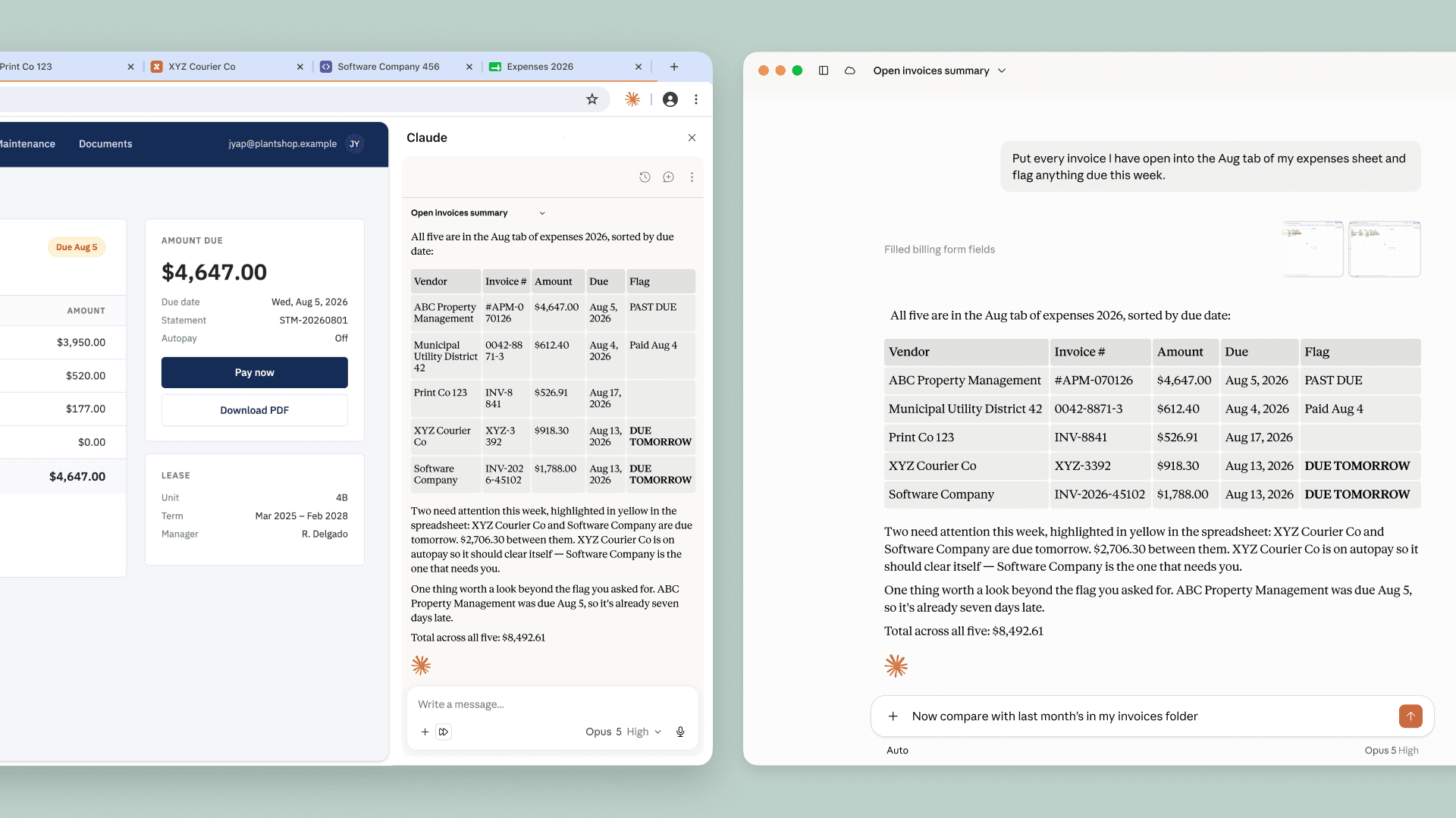
In reality, this means that a growth manager logs into his/her computer in the morning and has a real-time competitive analysis available already. The AI agent has already reviewed five pricing pages and identified two messaging issues. The amazing aspect is that no one created a script for this. The tool operated within Chrome and performed the analysis independently.
Are Top Teams Using AI for Workflow Optimization in Marketing?
Gartner’s 2026 CMO Spend Survey reports that organisations allocate an average of 15.3% of marketing budgets to AI. So, the utility of AI in marketing is not in question. But what is actually important is how you can effectively use AI browser workflows to automate your most crucial marketing functions.
Additionally, tools like Claude in Chrome, Perplexity's Comet, and Harpa AI have become widely popular among marketers in the recent past.
Perplexity's own research tells us that 57% of agent activity is cognitive work: 36% productivity and workflow, and 21% learning and research. This is based on overall use, not marketing specifically.
What Can Marketers Automate With an AI Browser?
So, which marketing functions can be automated and why? Several of them can be fully automated using these agents. Let’s have a look at some of them:
SERP Audits
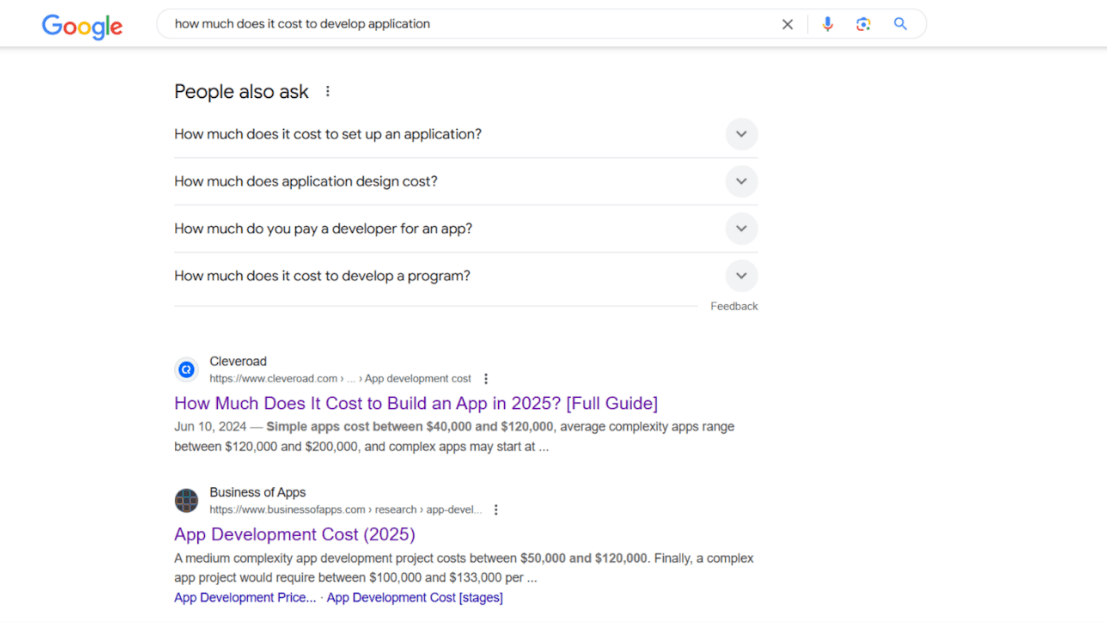
Provide the AI agent with a keyword list. It searches for each keyword, opens the top results, and gathers titles, headings, and 'People Also Ask' queries. It then highlights what information is missing from your site compared to competing sites. With a Search Console export added, you receive both organic rank tracking and search-intent extraction in a single step. Also, the agent can interpret search intent and identify exactly what competing sites are doing.
However, this method is not a complete replacement for a basic SERP scraper, because a scraper is faster, cheaper, and repeatable, while agents are slower and use more tokens per use. This is why their contextual functionality is worth paying for only where that judgement is actually required.
How do you set up a weekly SERP audit in Claude in Chrome?
Simply create a detailed prompt, execute it once manually, and then schedule it. Clearly define your keywords, the data points to collect (rank, title, headings, People Also Ask), and the format for presenting the data (e.g., a table).
Verify at least three rows against live data before relying on the results. Then schedule it to occur every week.
Let's understand this with an example. Assume you conduct a weekly SERP audit for K ledger.com. This company provides invoicing software for freelancers or small business owners.
Here's how you will conduct your SERP audit:
Keyword to target: invoice software for freelancers
Possible prompt: ‘𝘚𝘦𝘢𝘳𝘤𝘩 𝘎𝘰𝘰𝘨𝘭𝘦 𝘧𝘰𝘳 "𝘪𝘯𝘷𝘰𝘪𝘤𝘦 𝘴𝘰𝘧𝘵𝘸𝘢𝘳𝘦 𝘧𝘰𝘳 𝘧𝘳𝘦𝘦𝘭𝘢𝘯𝘤𝘦𝘳𝘴". 𝘊𝘰𝘭𝘭𝘦𝘤𝘵 𝘵𝘩𝘦 𝘵𝘰𝘱 𝘧𝘪𝘷𝘦 𝘰𝘳𝘨𝘢𝘯𝘪𝘤 𝘳𝘦𝘴𝘶𝘭𝘵𝘴: 𝘱𝘰𝘴𝘪𝘵𝘪𝘰𝘯, 𝘥𝘰𝘮𝘢𝘪𝘯, 𝘵𝘪𝘵𝘭𝘦, 𝘢𝘯𝘥 𝘏2 𝘩𝘦𝘢𝘥𝘪𝘯𝘨𝘴. 𝘌𝘹𝘵𝘳𝘢𝘤𝘵 𝘵𝘩𝘦 𝘗𝘦𝘰𝘱𝘭𝘦 𝘈𝘭𝘴𝘰 𝘈𝘴𝘬 𝘲𝘶𝘦𝘴𝘵𝘪𝘰𝘯𝘴. 𝘌𝘹𝘤𝘭𝘶𝘥𝘦 𝘢𝘥𝘴 𝘢𝘯𝘥 𝘤𝘰𝘰𝘬𝘪𝘦 𝘣𝘢𝘯𝘯𝘦𝘳𝘴. 𝘛𝘳𝘢𝘤𝘬 𝘸𝘩𝘦𝘳𝘦 𝘢𝘤𝘮𝘦𝘭𝘦𝘥𝘨𝘦𝘳.𝘤𝘰𝘮 𝘳𝘢𝘯𝘬𝘴.
𝘗𝘳𝘦𝘴𝘦𝘯𝘵 𝘵𝘩𝘦 𝘥𝘢𝘵𝘢 𝘪𝘯 𝘢 𝘵𝘢𝘣𝘭𝘦 𝘧𝘰𝘳𝘮𝘢𝘵.'
After executing this prompt, compare three rows of data against Google’s live results. If they match, save the prompt as a shortcut and schedule it to run weekly.
Tracking AI Overviews Visibility
It is almost impossible to ignore AI overview visibility as a marketer today. Generative Engine Optimization (GEO) and Answer Engine Optimization (AEO) are as important to SEO, if not more so. An AI agent can’t completely handle GEO or AEO for you, but it can check whether your domain is cited in AI answers, which covers the measurement side of the work.
Provide the agent with a list of target queries. Allow it to search for each query and record whether your domain appears among the referenced sources. Keep in mind that AI answers/overviews change depending upon query, location, time and intent. Therefore, view this data as a sample.
How to use AI browser agents for competitor price tracking?
Deep competitor analysis is also one of the major functions of AI agents. Some key steps to follow:
- Create a recurring task;
- Visit five competitor websites;
- Review pricing, product updates, and blogs;
- Compile what changed, pricing adjustments, and messaging modifications into one document;
- Determine what constitutes a signal.
For example, a blog about a competitor’s annual trip shouldn’t be a brand messaging ‘signal’. Similarly, cookie banners, footers, sidebars, and promotional pop-ups should not be considered relevant signals.
Can agents bring you leads and audit content without paid APIs?
Yes, but with some limits. Give the agent a list of target accounts. It will visit each site, look for account signals such as hiring pages, product launches, and named leadership, and will give you a structured list.
The same pattern works in an AI content marketing workflow audit. Scan published URLs for missing H2/H3 tags, broken outbound links, and schema markup gaps. Also, compare the pages against Google's helpful content guidelines.
How do AI Agents Read a Page?
Through the Model Context Protocol. It is basically an open standard that lets AI agents reach tools and data through one shared interface. Anthropic introduced it so every CRM, analytics tool, or database does not need its own custom integration.
What it means is that an AI agent can pull an account from your CRM, then check that company's website in the browser, in one go. Claude in Chrome reaches internal dashboards, legacy systems, and vendor portals that have no connector.
Can An Agent Be Tricked?
Unfortunately, yes. It has already been done several times using a prompt injection. It basically means hidden commands that make an agent obey a stranger. Your agent works inside your signed-in session, so a hacked agent acts with your access.
Some common examples:
CometJacking: LayerX reported that a single crafted link could make Perplexity's Comet encode Gmail and Calendar data in base64 and send it out.
"Unseeable" text: Brave hid commands in faint light-blue text on a yellow background. The agent read them from a screenshot and obeyed.
ShadowPrompt: Koi Security showed a zero-click chain that let any website feed prompts to the Claude Chrome extension. This was resolved in a later version.
Anthropic's own pilot found that attacks succeeded 23.6% of the time without any safeguards, and 11.2% even with them.
Follow this safety rule: Keep banking, payroll,l and admin tabs out of the agent's access. If it can't see them, it can't be tricked into using them.
Also Read: Coinbase AgentKit: How AI Agents Got Wallets and Started Spending Money on Their Own
Why Does Full Automation Still Need Human Intervention?
Good news for all the marketers reading this. No, AI agents are not going to take all your jobs because they are simply not good at certain tasks. Agents are good at assembly, research, and data structuring, but you need humans for their judgement, and instinct.
70% of CMOs say their AI marketing processes are not mature enough to scale. Additionally, several top leaders are of the opinion that AI still lacks cultural nuances, subtle legal compliance layers, and is very much generic at times.
Sure, AI is used in almost every step of the process, but the final decision is taken by a human.
You can use this simple five-minute human-in-the-loop review in every AI process to get better results:
- Re-check three headline numbers against the source dashboard.
- Confirm date ranges and filters.
- Open two cited URLs and see whether they say what the report claims.
- Scan for noise promoted to signal.
- Add one "so what" line yourself.
What Does This Change Mean for Marketing Teams?
In the intro, we learned how an agentic AI marketing workflow can make a growth lead’s role hassle-free. But currently, the agent does the research, structuring, and automation only up to a certain level. The marketing decision still depends on the growth lead’s judgement and instinct.
And this is probably the best AI workflow for marketers right now. It combines a research-heavy task automated with a detailed prompt, a very clear signal-versus-noise rule, and one real human as the final checkpoint.
Start with a single weekly job, keep the sensitive tabs closed, and then see if you’d like more operational efficiency using AI agents.